Unilever Indonesia: продажа замороженных продуктов принесла 870 млрд рупий прибыли, но операционный бизнес стагнирует
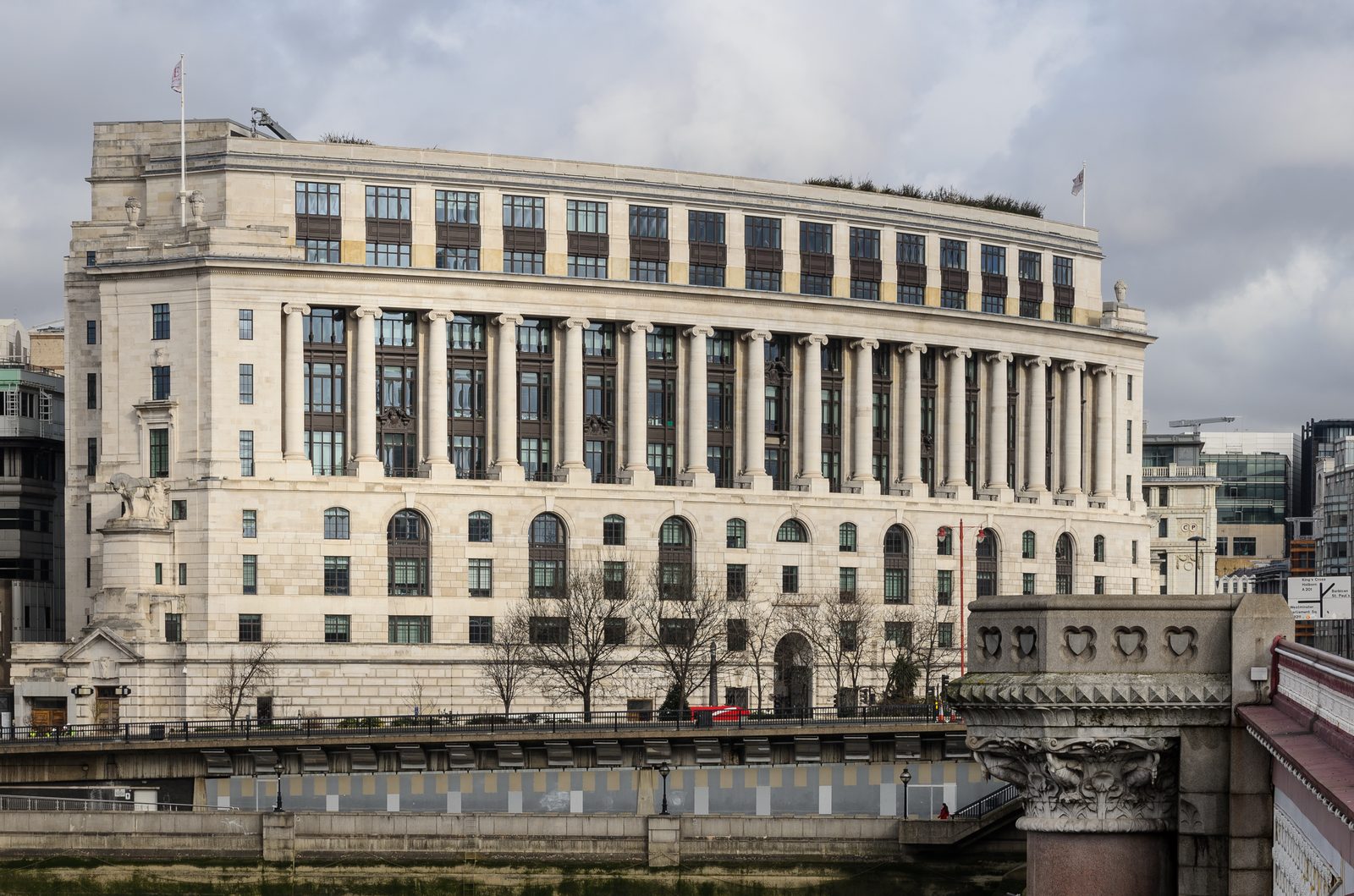
30 июня 2026 года PT Unilever Indonesia Tbk раскрыла результаты за первое полугодие 2026 года. Выручка снизилась на 7,2% год к году до 16,9 трлн рупий, EBITDA упала на 99,9% до символических 2,9 млрд рупий, однако чистая прибыль выросла до 2,97 трлн рупий благодаря разовому доходу от продажи бизнеса замороженных продуктов в размере 870 млрд рупий. Наш вердикт: акции выглядят непривлекательно на текущей цене, поскольку операционная деятельность деградирует, а дивидендная доходность в 12% не компенсирует падение рентабельности.
Главные тезисы
— Выручка за полугодие упала на 7,2% до 16,9 трлн рупий из-за слабого спроса и продажи бизнеса
— EBITDA рухнула на 99,9% до 2,9 млрд рупий из-за разовых расходов и обесценения
— Чистая прибыль выросла до 2,97 трлн рупий, но 870 млрд из неё – разовый доход от продажи ice cream бизнеса
— Операционный денежный поток за полугодие составил всего 494 млрд рупий против 1,8 трлн год назад
— Капзатраты выросли на 71% до 534 млрд рупий, но денежный поток покрывает их с трудом
— Дивиденд за 2025 год выплачен в размере 4,33 трлн рупий, что превышает операционный денежный поток
— Чистый долг отрицательный, но компания потратила 4,3 трлн рупий на дивиденды, сократив cash
Оценка привлекательности
Ключевые показатели, млрд IDR
| Показатель | H1 2025 | H1 2026 | Изм. |
|---|---|---|---|
| Выручка | 18,2 | 16,9 | -7,2% |
| EBITDA | 3 333 | 2,90 | -99,9% |
| Операционная прибыль | 2 900 | 2,59 | -99,9% |
| Чистая прибыль | 2 156 | 2,97 | -99,9% |
| Операционный денежный поток | 1 811 | 0,49 | -100,0% |
| Капзатраты | 312 | 0,53 | -99,8% |
| Рентабельность по EBITDA | 18307,7% | 17,2% | -18290,5 п.п. |
| Чистая маржа | 11840,9% | 17,6% | -11823,3 п.п. |
Выручка за полугодие упала на 7,2% до 16,9 трлн рупий из-за слабого спроса и продажи бизнеса
За первое полугодие 2026 года чистая выручка составила 16,9 трлн рупий, что на 7,2% ниже, чем за тот же период прошлого года. Снижение ускорилось по сравнению с первым кварталом, когда выручка была 8,44 трлн рупий, что указывает на продолжающееся давление на спрос.
Компания завершила продажу бизнеса замороженных продуктов (ice cream) в первом полугодии, что также сократило консолидированную выручку. Без учёта этого фактора падение было бы менее глубоким, но всё равно значительным.
EBITDA рухнула на 99,9% до 2,9 млрд рупий из-за разовых расходов и обесценения
EBITDA за первое полугодие составила всего 2,9 млрд рупий против 2,85 трлн рупий годом ранее – падение на 99,9%. Это катастрофическое снижение связано с разовыми расходами, включая обесценение активов и затраты на реструктуризацию после продажи ice cream бизнеса.
Операционная прибыль также снизилась, но менее драматично: 2,59 трлн рупий против 2,54 трлн год назад. Расхождение между EBITDA и операционной прибылью объясняется тем, что в EBITDA не входят амортизация и обесценение, которые в этом полугодии были аномально высокими.
Чистая прибыль выросла до 2,97 трлн рупий, но 870 млрд из неё – разовый доход от продажи ice cream бизнеса
Чистая прибыль за первое полугодие составила 2,97 трлн рупий, что на 37,8% выше прошлогоднего уровня. Однако этот рост обеспечен разовым доходом от продажи discontinued operations: 870 млрд рупий – прибыль от продажи, ещё 17,6 млрд – операционная прибыль от этого бизнеса до момента продажи.
Без учёта этих разовых статей прибыль от продолжающихся операций составила бы 2,08 трлн рупий, что лишь на 10,2% выше прошлогоднего уровня. Таким образом, качество прибыли ухудшилось: рост обеспечен не операционной деятельностью, а сделкой по выходу из сегмента.
Операционный денежный поток за полугодие составил всего 494 млрд рупий против 1,8 трлн год назад
Операционный денежный поток за первое полугодие 2026 года упал до 494 млрд рупий с 1,81 трлн рупий годом ранее. Основная причина – резкий рост выплат по налогу на прибыль: 1,72 трлн рупий против 466 млрд в прошлом году, что связано с налогом на прибыль от продажи бизнеса.
Даже без учёта налоговых выплат, денежный поток от операций снизился с 3,2 трлн до 2,15 трлн рупий, что отражает ухудшение торговых условий и рост оттока на пополнение оборотного капитала.
Капзатраты выросли на 71% до 534 млрд рупий, но денежный поток покрывает их с трудом
Инвестиции в основные средства за полугодие составили 534 млрд рупий, что на 71% больше, чем год назад (312 млрд). Компания увеличивает расходы на модернизацию и автоматизацию, но при операционном денежном потоке в 494 млрд рупий эти инвестиции почти полностью съедают генерируемую наличность.
Свободный денежный поток (OCF минус capex) за полугодие оказался отрицательным: минус 40 млрд рупий. Это означает, что компания не зарабатывает достаточно операционных денег для финансирования своих инвестиций, и вынуждена тратить накопленную кассу.
Дивиденд за 2025 год выплачен в размере 4,33 трлн рупий, что превышает операционный денежный поток
В первом полугодии 2026 года компания выплатила дивиденды на сумму 4,33 трлн рупий за 2025 год. Это в 8,8 раза больше операционного денежного потока за полугодие (494 млрд рупий) и в 1,5 раза больше, чем за весь 2025 год (по данным за первое полугодие 2025 года дивиденды не выплачивались).
Текущая дивидендная доходность за последние 12 месяцев составляет 12% – это выше исторических уровней, но такая высокая доходность отражает падение цены акций, а не устойчивый рост выплат. При сохранении текущей операционной динамики выплата дивидендов на прежнем уровне потребует либо сокращения капзатрат, либо увеличения долга.
Чистый долг отрицательный, но компания потратила 4,3 трлн рупий на дивиденды, сократив cash
На конец полугодия чистый долг составлял минус 5,06 трлн рупий – компания имеет больше денежных средств, чем долга. Однако за полугодие денежные средства сократились с 5,71 трлн до 1,74 трлн рупий из-за дивидендных выплат и налогов на продажу бизнеса.
За последние 12 месяцев чистый долг изменился на +60 млрд рупий (в сторону увеличения), что указывает на постепенное ухудшение балансовой позиции. Тем не менее, компания сохраняет значительную «подушку» ликвидности, которая позволяет финансировать текущие операции без внешних заимствований.
Оценка по последним отчётным данным
| Метрика | Значение |
|---|---|
| Капитализация | 63 619 млрд IDR |
| Операционный денежный поток (LTM) | 5,80 млрд |
| ROE | 124,0% |
| Дивидендная доходность (12 мес) | 12,0% |
Итог
Итог: первое полугодие 2026 года показало, что Unilever Indonesia находится в фазе трансформации: продажа ice cream бизнеса принесла разовый доход в 870 млрд рупий, но операционная деятельность стагнирует – выручка падает, EBITDA практически обнулилась, а свободный денежный поток отрицательный. Компания сохраняет отрицательный чистый долг, но тратит на дивиденды больше, чем генерирует операционно. Наш вердикт: акции непривлекательны на текущей цене, так как операционные показатели ухудшаются, а дивидендная доходность в 12% не компенсирует риски дальнейшего падения.
Перейти к финансовой карточке компании UNVR →
Смотрите также: обзор рынка · карта оценки рынков · скринеры акций