Peabody Energy: revenue up 12.7% but EBITDA down 56.4% as Centurion weighs on profit
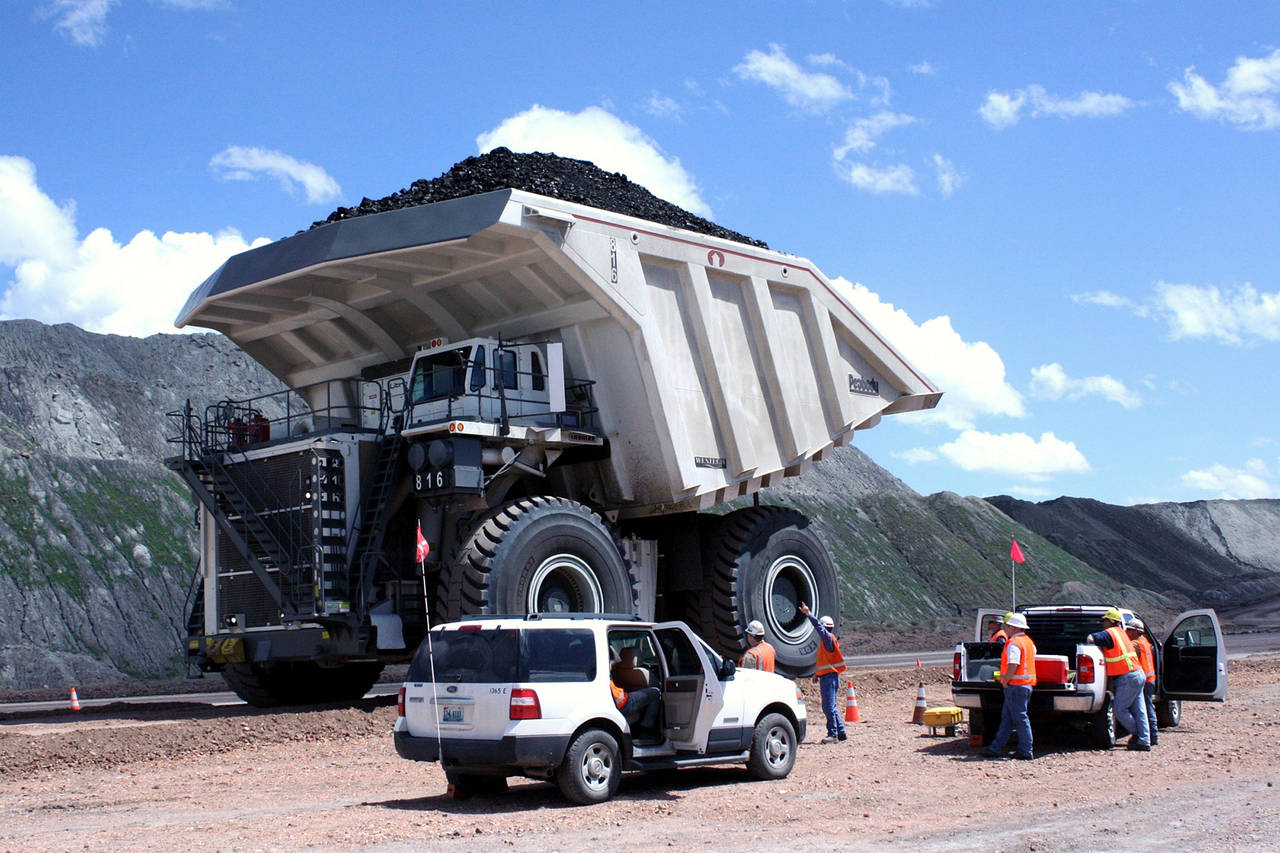
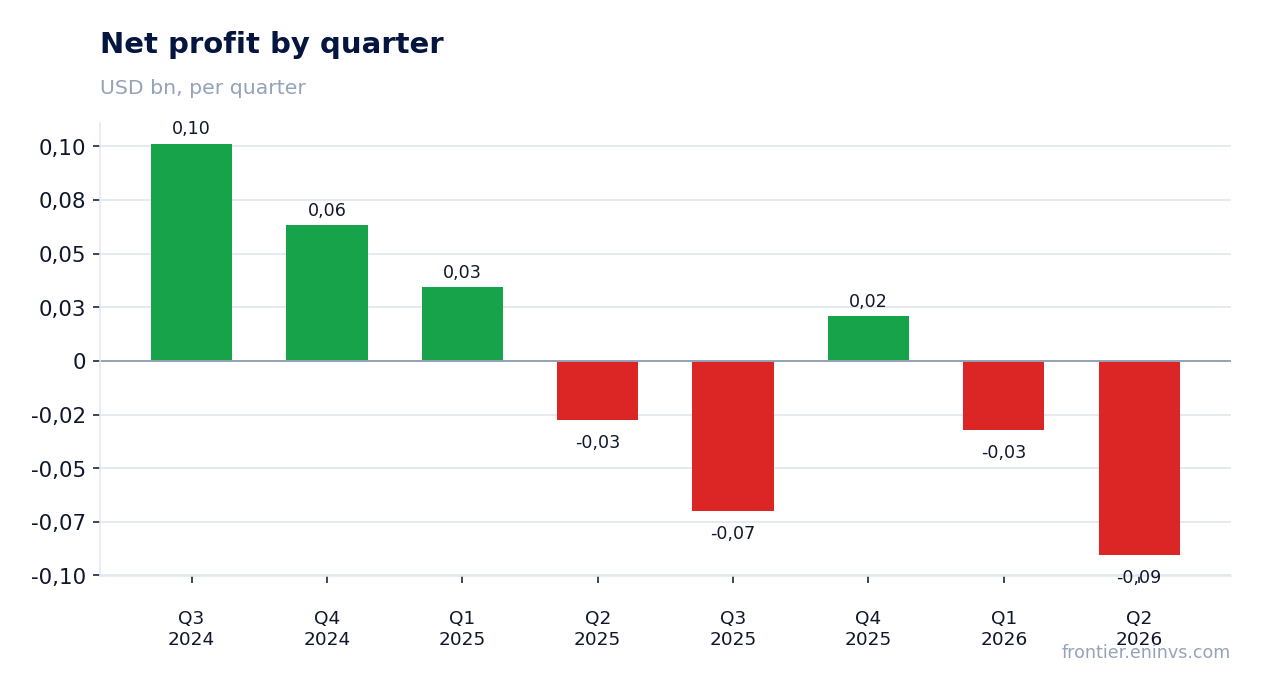
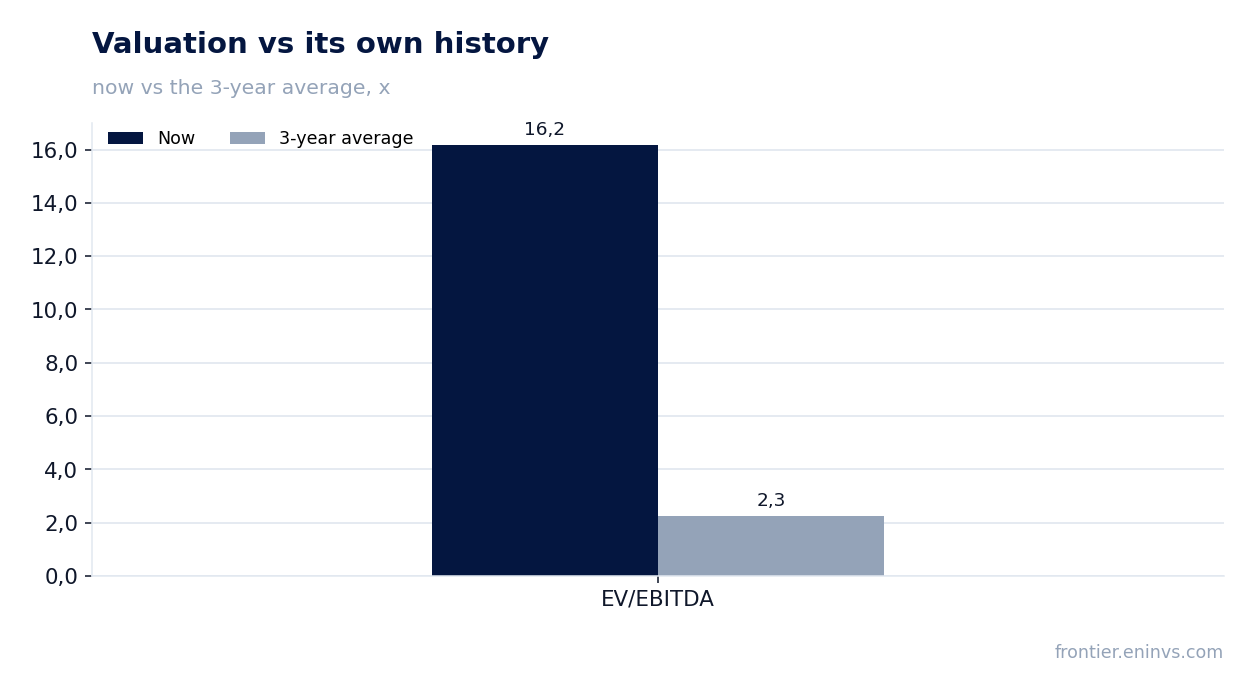
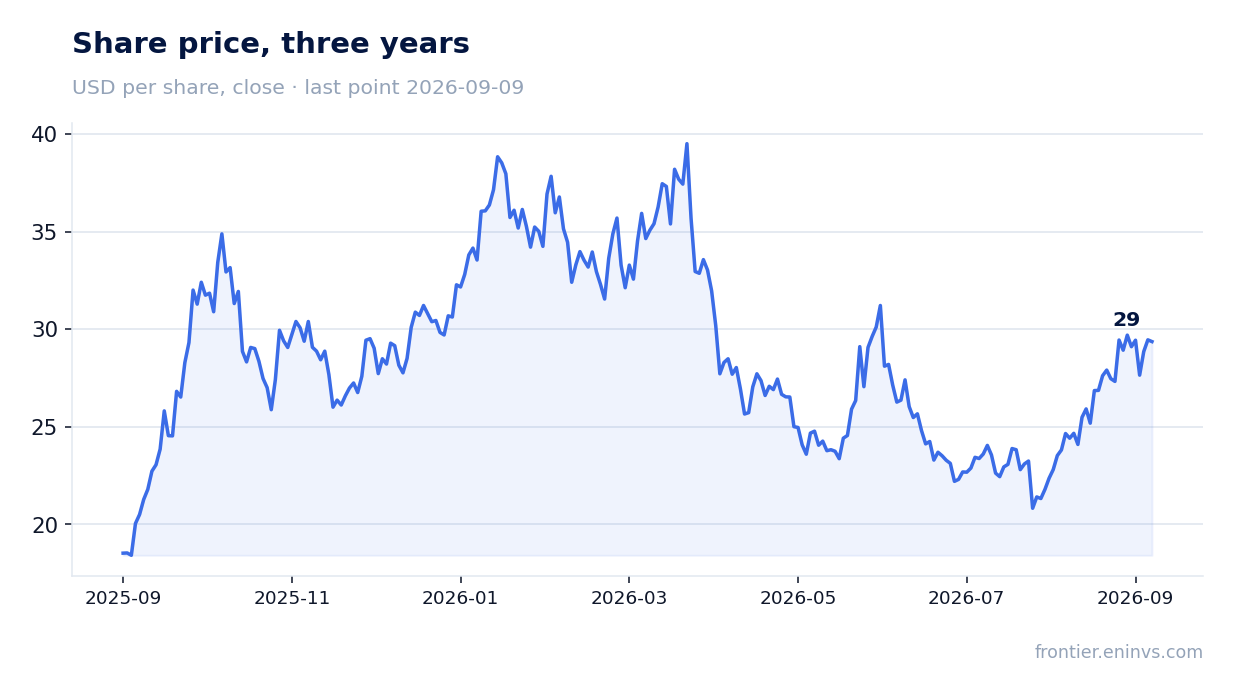
On July 29, Peabody Energy released its second-quarter 2026 results. Revenue rose 12.7% year-on-year to $1,003.2 million, but adjusted EBITDA fell 56.4% to $24.0 million, and the net loss was $90.6 million. The culprit is commissioning costs at the flagship Centurion mine and weak volumes in the Powder River Basin. The shares fell 10.4% on the release day but then rebounded 26.3% by September 9. At the current price the stock looks unattractive: EV/EBITDA is 16.2x versus a three-year average of 2.26x, and the portal model implies 65% downside.
Key takeaways
— Revenue rose 12.7% year-on-year, but this was driven by the Seaborne Metallurgical segment, where sales jumped 42%
— EBITDA collapsed 56.4% due to losses in Powder River Basin and Seaborne Metallurgical, which together lost $24.1 million
— Centurion is loss-making: commissioning costs pushed met coal costs to $155.08 per ton, above the realized price
— Operating cash flow turned negative in the second quarter at -$0.7 million, while capex was $59.9 million
— Leverage remains negative: net debt is -$101.4 million, but that is a level, not an improvement
— Dividend yield of 1.02% with a quarterly dividend of $0.075 per share is below the key rate and does not compensate for risks
— EV/EBITDA of 16.2x versus a three-year average of 2.26x means the market values the company far above its historical norm
Attractiveness
Key figures, USD bn
| Metric | Q2 2025 | Q2 2026 | Change |
|---|---|---|---|
| Revenue | 0.89 | 1.00 | +12.7% |
| EBITDA | 0.06 | 0.02 | -56.4% |
| Operating profit | -0.04 | -0.11 | — |
| Net profit | -0.03 | -0.09 | — |
| Operating cash flow | 0.02 | -0.00 | -103.0% |
| Capex | 0.10 | 0.06 | -38.6% |
| EBITDA margin | 6.2% | 2.4% | -3.8 pp |
| Net margin | -3.1% | -9.0% | -5.9 pp |
Revenue rose 12.7% year-on-year, but this was driven by the Seaborne Metallurgical segment, where sales jumped 42%
Revenue in the second quarter of 2026 was $1,003.2 million, up 12.7% from a year earlier. The main contribution came from the Seaborne Metallurgical segment: its revenue rose to $358.3 million from $252.2 million a year earlier, or 42%. This was driven by a 0.3 million ton increase in sales and a higher average realized price of $148.04 per ton versus $114.79 a year earlier.
The Seaborne Thermal segment also grew: revenue increased to $230.6 million from $195.1 million, helped by a higher realized price of $74.85 per ton versus $53.22. However, sales volumes in this segment fell to 3.0 million tons from 3.6 million tons.
The U.S. Thermal segments declined. Powder River Basin revenue fell to $223.8 million from $275.7 million, while Other U.S. Thermal rose to $163.2 million from $155.1 million. Overall revenue grew, but the mix shifted toward more expensive, yet more cost-intensive, metallurgical coal.
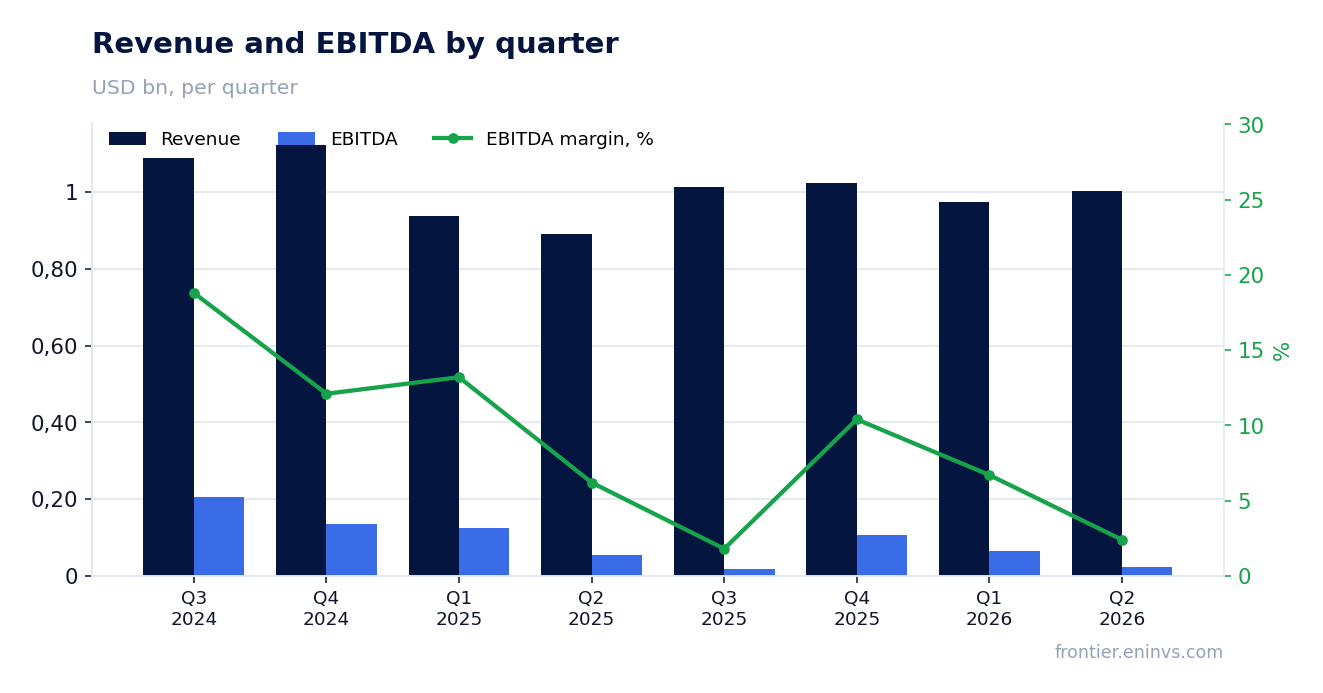
EBITDA collapsed 56.4% due to losses in Powder River Basin and Seaborne Metallurgical, which together lost $24.1 million
Adjusted EBITDA in the second quarter of 2026 was $24.0 million, down 56.4% from $93.3 million a year earlier. Revenue grew, so the profit decline is entirely explained by higher costs and losses in two segments.
The Seaborne Metallurgical segment posted negative EBITDA of -$17.0 million versus -$9.2 million a year earlier. Costs per ton rose to $155.08, above the realized price of $148.04. The main reason is the ongoing commissioning of the Centurion mine, where costs came in higher than expected.
The Powder River Basin segment also turned negative: EBITDA was -$7.1 million versus +$43.0 million a year earlier. Sales volumes fell to 16.4 million tons from 20.0 million tons due to mild weather and power plant maintenance. Costs per ton rose to $14.06 from $11.66, exceeding the realized price of $13.63.
Together, the two segments lost $24.1 million in EBITDA, which dragged down the overall figure. Other segments could not compensate: Seaborne Thermal contributed $52.1 million, Other U.S. Thermal $26.9 million.
Centurion is loss-making: commissioning costs pushed met coal costs to $155.08 per ton, above the realized price
The Centurion mine, which Peabody calls its flagship, is still in the commissioning phase. The report states that the company completed significant longwall commissioning activities and targets sales of 1.5–2.0 million tons in the second half of 2026. However, current costs for metallurgical coal remain high at $155.08 per ton in the second quarter.
This is above the average realized price of $148.04 per ton, making the segment unprofitable at the operating level. The report says the cost increase is due to lower volumes, as well as contract labor, materials and supply costs at Centurion. The company expects costs to decline as production volumes increase.
Nevertheless, until Centurion reaches target rates, it remains a source of losses. In the third quarter, Peabody expects metallurgical coal sales of 1.9–2.1 million tons, down from the second quarter due to a longwall move at Metropolitan and an outage at Shoal Creek. Costs are guided at $130–$140 per ton, which could still be above the realized price if prices do not rise.
Operating cash flow turned negative in the second quarter at -$0.7 million, while capex was $59.9 million
Operating cash flow from continuing operations in the second quarter of 2026 was -$0.7 million versus +$23.8 million a year earlier. This is the first negative figure in several quarters. The reason is low EBITDA and higher costs, which were not offset by sales proceeds.
Capital expenditures were $59.9 million, down from $97.6 million a year earlier, but still significant. With negative operating cash flow, free cash flow was negative. The company also spent $386.8 million to repurchase convertible notes, financed by a $250 million new note issuance and cash on hand.
At quarter-end, cash and cash equivalents were $526.3 million, with total liquidity of $959.1 million. This provides a cushion, but if free cash flow remains negative, it will shrink.
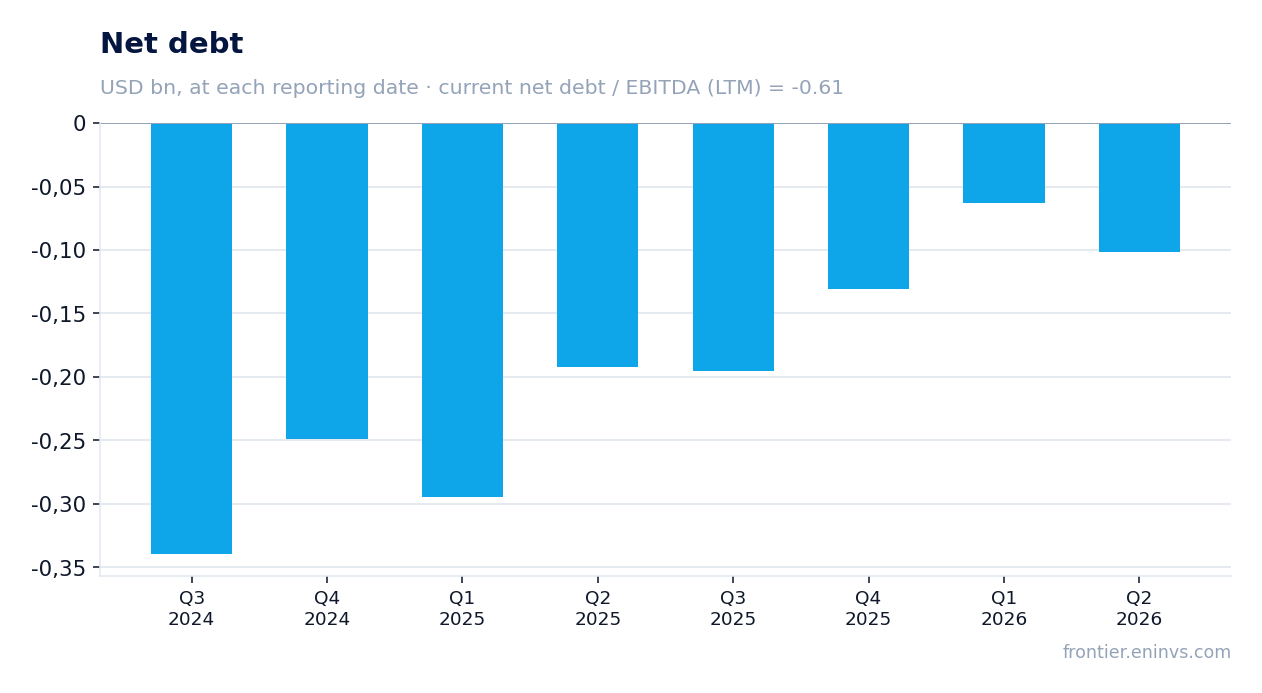
Leverage remains negative: net debt is -$101.4 million, but that is a level, not an improvement
Net debt at the end of the second quarter of 2026 was -$101.4 million, meaning cash exceeds debt. This is the level as of the reporting date. The net debt to EBITDA ratio for the trailing twelve months is -0.61, reflecting negative net debt and positive EBITDA over that period.
During the quarter, the company refinanced convertible notes: it issued $250 million of new 0.5% notes due 2031 and repurchased $241.2 million of 3.25% notes due 2028 for $386.8 million in cash. This resulted in a one-time induced conversion expense of $17.2 million.
The company also revised surety arrangements in the U.S. and Australia, reducing collateral requirements by approximately $350 million. This improves liquidity but does not change the operating picture. Leverage remains low, but it does not offset the losses.
Dividend yield of 1.02% with a quarterly dividend of $0.075 per share is below the key rate and does not compensate for risks
Peabody pays a quarterly dividend of $0.075 per share. The latest dividend was declared on July 29, 2026, payable on September 3. At the current share price, the trailing 12-month dividend yield is 1.02%. This is below the key rate and does not look attractive for income-seeking investors.
The company did not provide dividend guidance for the year, but assuming the current practice continues, the annual dividend would be $0.30 per share. However, this depends on profit and cash flow. In the second quarter, the company reported a net loss and negative operating cash flow, which casts doubt on maintaining payments at the current level without increasing debt.
Peabody's dividend policy is tied to free cash flow and financial resilience. If Centurion does not reach target volumes and costs remain high, the company may revise the payout. In that case, the dividend yield would fall further.
EV/EBITDA of 16.2x versus a three-year average of 2.26x means the market values the company far above its historical norm
The EV/EBITDA multiple for the trailing twelve months is 16.2x. This is significantly above the three-year average of 2.26x. The discrepancy is explained by low EBITDA over the last twelve months: $212.9 million. The market, judging by the $3,576.0 million market cap, expects a profit recovery, but the current valuation looks inflated relative to historical levels.
According to the portal's model, which reprices EBITDA at current commodity prices and the target EV/EBITDA, the upside to fair value is -65%. This is our own estimate, not a market consensus. It indicates that at current coal prices and current costs, the company is overvalued.
A change would require sustained EBITDA growth, which is only possible if Centurion reaches target volumes and costs decline. Until that happens, the multiple remains high and the upside negative.
Valuation on the latest reported figures
| Metric | Value |
|---|---|
| Market cap | 3.58 bn USD |
| EV/EBITDA (LTM) | 16.2 |
| P/B | 1.01 |
| Net debt / EBITDA (LTM) | -0.61 |
| Operating cash flow (LTM) | 0.33 bn |
| ROE | -10.7% |
| Dividend yield (12m) | 1.0% |
| EV/EBITDA, 3-year average | 2.3 |
Bottom line
The main disappointment of the quarter is not the revenue decline but the 56.4% collapse in EBITDA due to losses in two segments. Centurion, which was supposed to be a growth driver, is still loss-making, while Powder River Basin faced external problems. Operating cash flow turned negative, and the 1.02% dividend yield does not compensate for risks. The EV/EBITDA multiple of 16.2x versus a historical 2.26x makes the stock overvalued. The question for a holder now is whether the company can reach its targets in the second half and restore positive cash flow.
Open the company's financial profile BTU →
See also: market overview · valuation map · stock screeners