Valero Energy: quarterly profit up 5x on refining margin surge
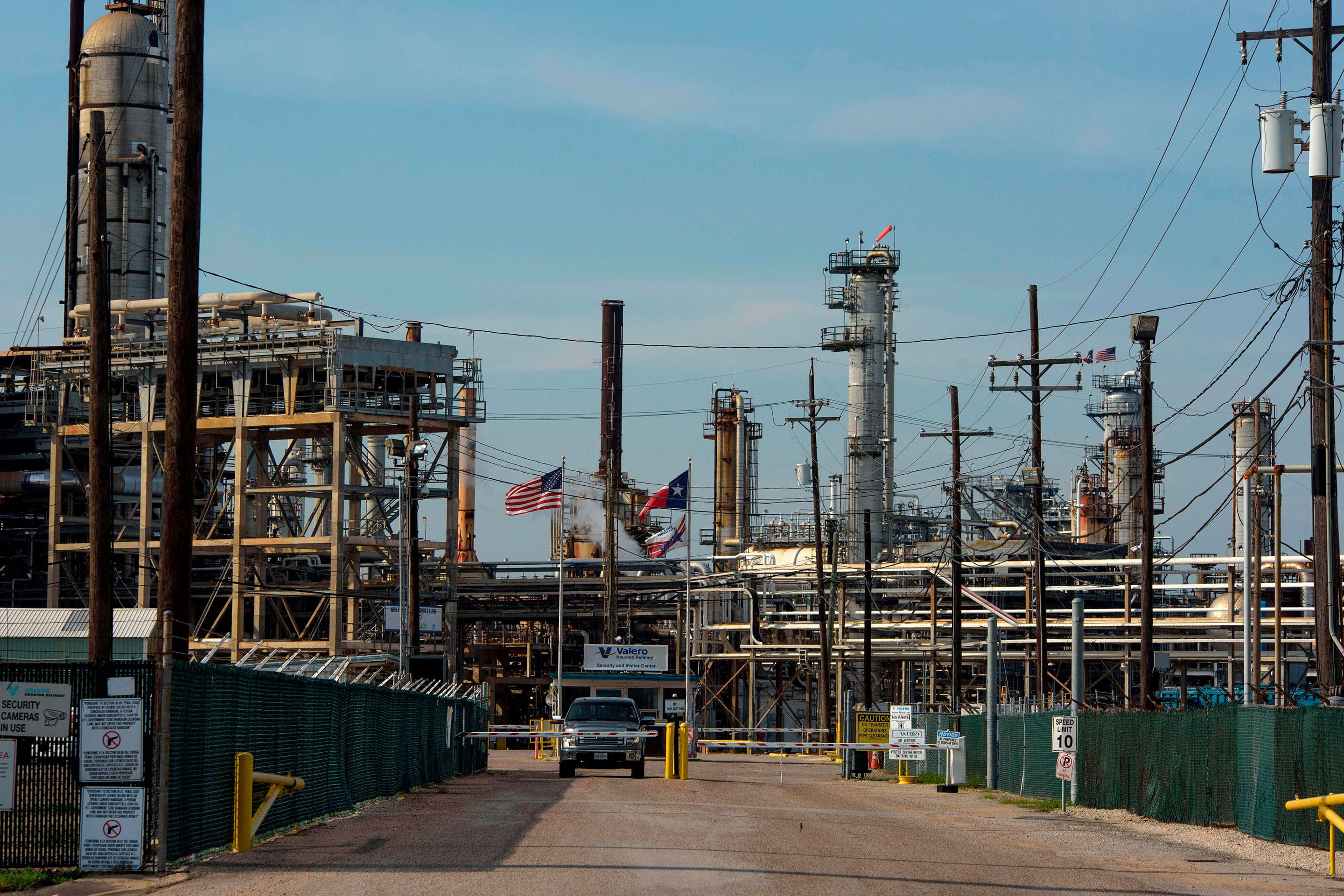
30 июля Valero Energy раскрыла результаты за второй квартал 2026 года: выручка выросла на 48,8% год к году до 44,5 млрд долларов, а чистая прибыль – на 421% до 3,7 млрд долларов. Компания заработала на расширении маржи переработки, особенно в дизельном сегменте, и продолжает возвращать капитал акционерам. При текущей цене акция выглядит привлекательно: мультипликатор EV/EBITDA ниже собственной трехлетней истории, а модель портала оценивает потенциал роста в 44%.
Key takeaways
— Revenue up 48.8% on record refining margins
— EBITDA tripled, EBITDA margin doubled to 13.3%
— Net profit up 5x, but part of the growth is one-off
— Operating cash flow reached $5.6 billion, capex halved
— Leverage remains low: net debt/EBITDA at 0.51
— Shares up 23% after the report, but valuation still below historical average
Attractiveness
Key figures, USD bn
| Metric | Q2 2025 | Q2 2026 | Change |
|---|---|---|---|
| Revenue | 29.9 | 44.5 | +48.8% |
| EBITDA | 1.81 | 5.93 | +227.6% |
| Operating profit | 1.00 | 5.20 | +421.2% |
| Net profit | 0.71 | 3.72 | +421.0% |
| Operating cash flow | 0.94 | 5.60 | +498.3% |
| Capex | 0.41 | 0.23 | -44.5% |
| EBITDA margin | 6.1% | 13.3% | +7.2 pp |
| Net margin | 2.4% | 8.4% | +6.0 pp |
Revenue up 48.8% on record refining margins
In Q2 2026, Valero Energy's revenue reached $44.5 billion, up 48.8% year-over-year. The refining segment was the main contributor: its revenue rose from $28.3 billion to $42.3 billion, and operating income from $1.3 billion to $4.5 billion.
The driver was higher refining margins: company-wide, they jumped from $12.35 to $23.62 per barrel. Particularly strong was diesel margin on the U.S. Gulf Coast – $43.5 per barrel versus $14.8 a year earlier. Throughput volumes rose only slightly, from 2.92 to 2.95 million barrels per day.
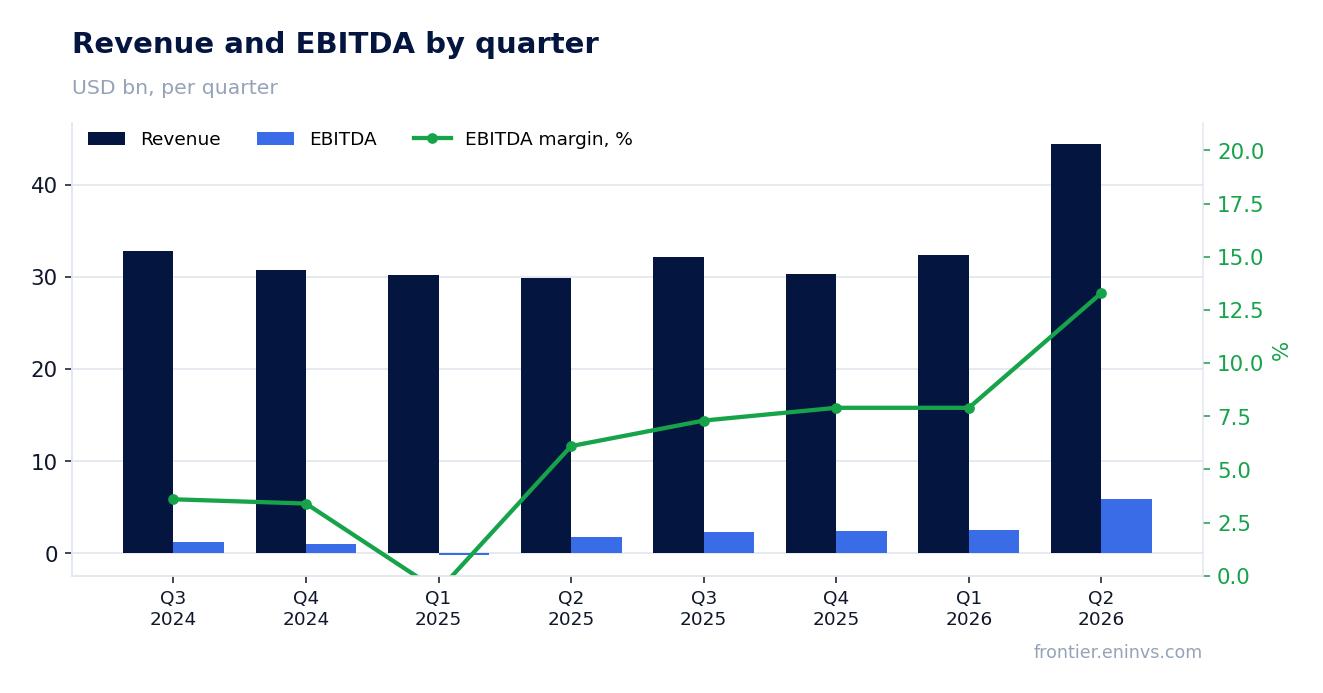
EBITDA tripled, EBITDA margin doubled to 13.3%
EBITDA for the reported quarter rose 227.6% year-over-year to $5.9 billion. EBITDA margin increased from 6.1% to 13.3% – the best level in recent years.
The margin expansion was driven by operating leverage: revenue grew almost half, while operating expenses (ex-depreciation) stayed at $1.5 billion. The renewable diesel segment also contributed, swinging from a $79 million loss last year to a $717 million profit.
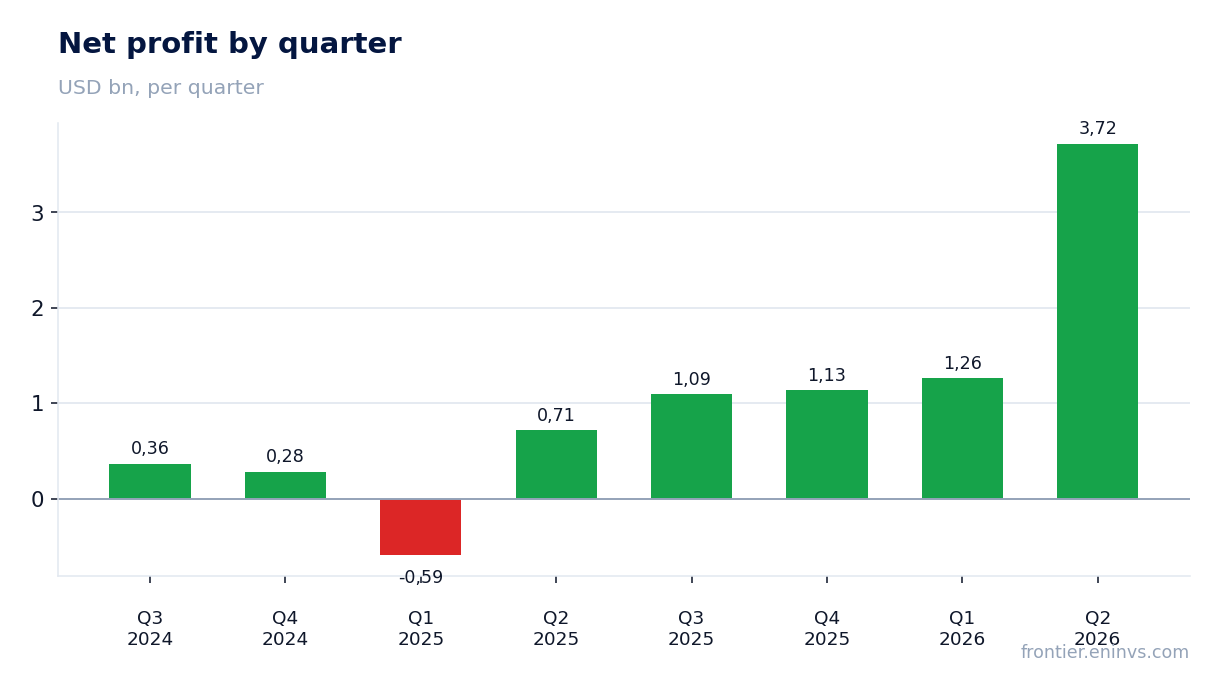
Net profit up 5x, but part of the growth is one-off
Valero Energy's net profit for Q2 2026 was $3.7 billion versus $714 million a year earlier – up 421%. Earnings per share reached $12.62.
The company reported one-off adjustments: a LIFO liquidation benefit of $44 million (increasing profit) and $15 million of repair costs related to the Port Arthur refinery incident. Adjusted net income was $3.7 billion, or $12.54 per share – meaning one-offs had little impact on the bottom line.
Operating cash flow reached $5.6 billion, capex halved
Operating cash flow for the quarter was $5.6 billion – almost six times higher than a year earlier. Capital expenditures fell from $407 million to $226 million.
Free cash flow (operating cash flow minus capex) exceeded $5.3 billion. This allowed the company to return $2.6 billion to shareholders via dividends and buybacks, representing a payout ratio of 59% of adjusted operating cash flow.
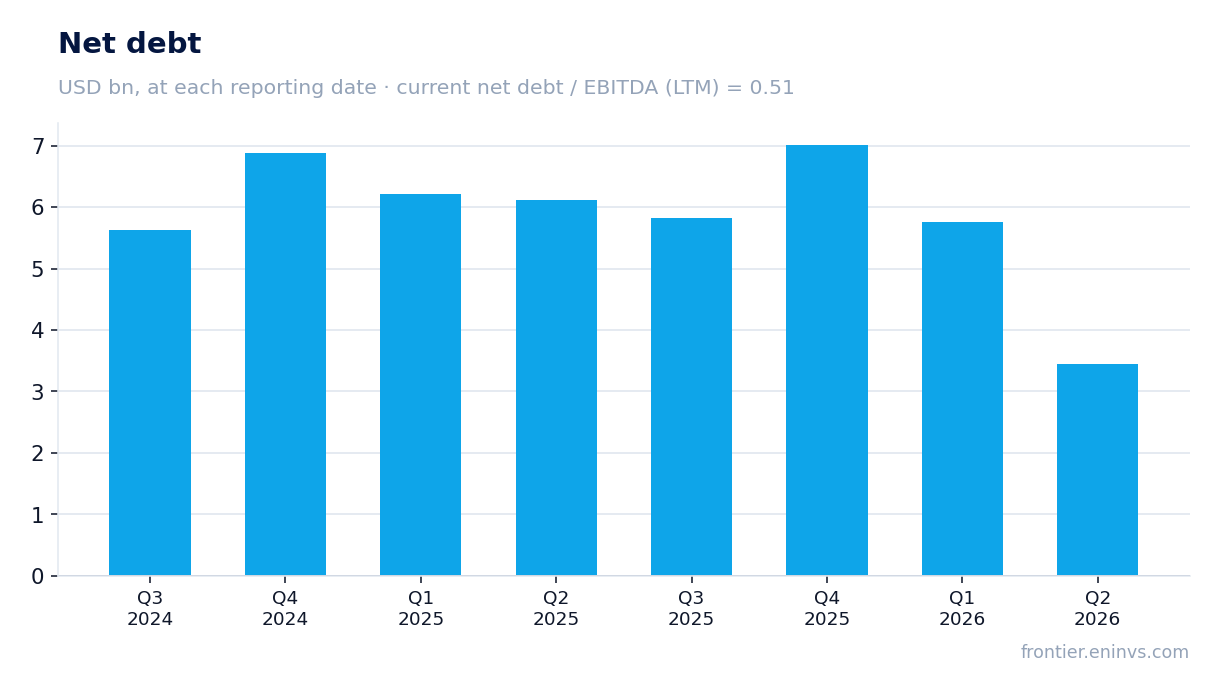
Leverage remains low: net debt/EBITDA at 0.51
At the end of the quarter, Valero Energy's net debt stood at $3.4 billion (per balance sheet data). The net debt/EBITDA ratio for the trailing twelve months was 0.51, a very comfortable level for a refiner.
Net debt decreased by $2.3 billion during the quarter and by $2.7 billion over twelve months. The company retains high financial flexibility: cash on hand was $7.9 billion, and the debt-to-capitalization ratio (net of cash) was 11%.
Shares up 23% after the report, but valuation still below historical average
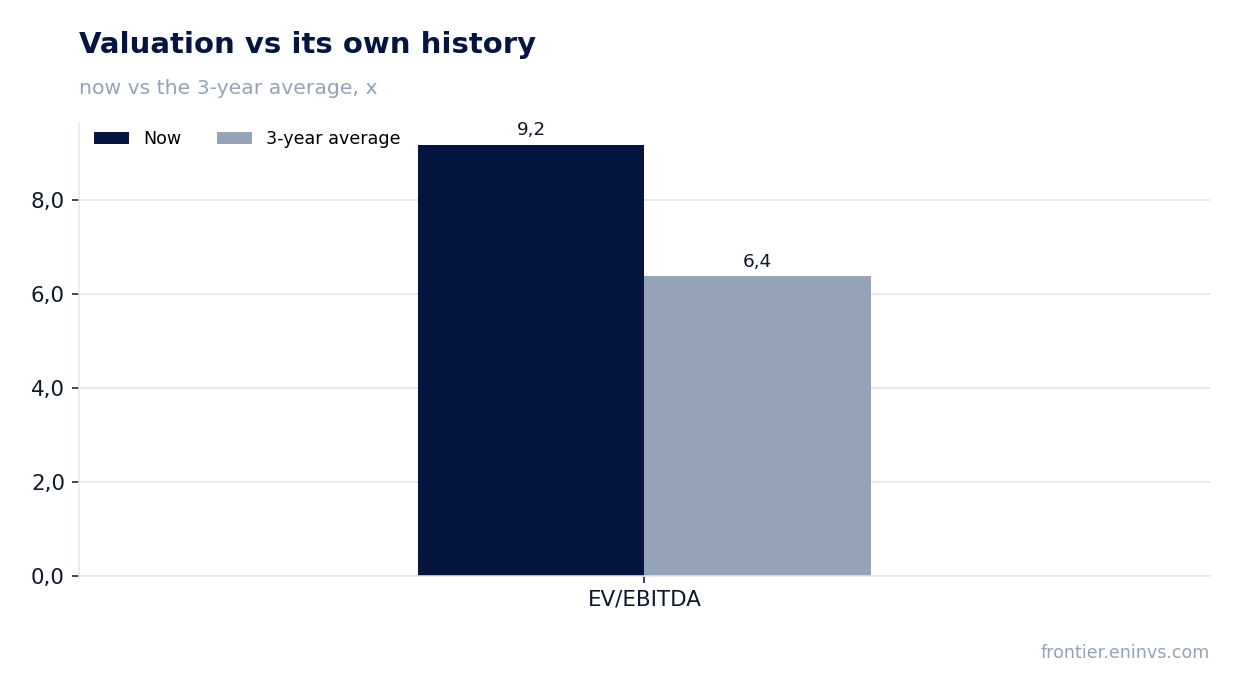
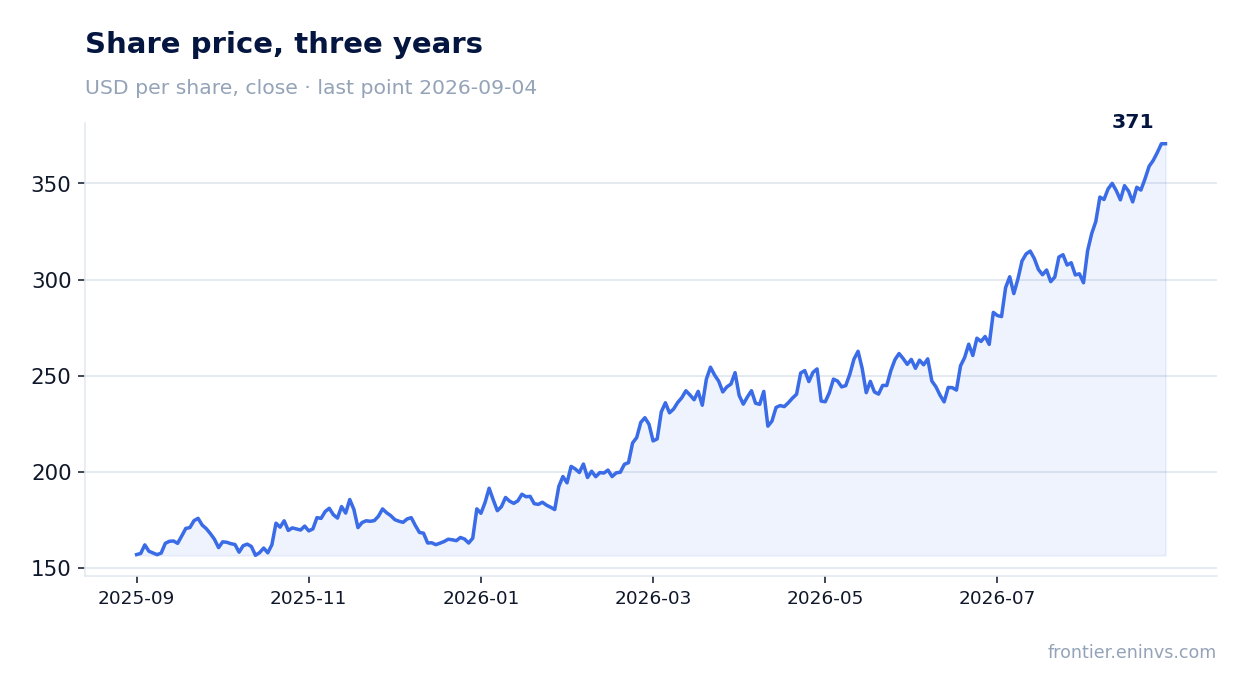
Following the earnings release, Valero Energy shares rose 3.4% on the day and another 23% by September 4. However, the EV/EBITDA multiple on LTM basis is 9.18, above the three-year average of 6.38.
According to the portal's model, at current product prices and target EV/EBITDA, the fair value of the share is 44% above the current market price. This suggests remaining upside potential, even after the recent rally.
Valuation on the latest reported figures
| Metric | Value |
|---|---|
| Market cap | 118 bn USD |
| P/E (LTM) | 16.4 |
| EV/EBITDA (LTM) | 9.2 |
| P/B | 4.98 |
| Net debt / EBITDA (LTM) | 0.51 |
| Operating cash flow (LTM) | 5.80 bn |
| ROE | 60.9% |
| Dividend yield (12m) | 1.2% |
| EV/EBITDA, 3-year average | 6.4 |
Bottom line
Отчетный квартал Valero Energy оказался сильным: выручка и прибыль выросли в разы благодаря расширению маржи переработки, а денежный поток достиг рекордных уровней. Компания продолжает возвращать капитал акционерам и имеет низкую долговую нагрузку. Однако часть роста прибыли связана с благоприятной конъюнктурой, которая может не сохраниться. При текущей цене акция выглядит привлекательно: модель портала указывает на 44% потенциал роста, а мультипликатор, хотя и выше исторического среднего, остается умеренным для такого денежного потока.
Open the company's financial profile VLO →
See also: market overview · valuation map · stock screeners