Frontierby eninvs

Language: EN · RU

US Large-Cap Stocks — Valuations, P/E & Dividends

GDP growth 2026 (proj.) 2.3%Inflation YoY (proj.) 3.2%FX vs USD (3y avg p.a.) 0.0%Macro: IMF World Economic Outlook, April 2026 (Annex tables 1.1.2–1.1.4)
Our recommended portfolios
Performance & current holdings of our strategies for this market — why it makes sense to join.
GARP + accelerationbacktest CAGR +19% · excess +3%Paper-track · 15 Jun 2026
CAGR +19% · vs index +3% · Sharpe 0.84 · maxDD -33%
Day-2.2%S&P 500 +0.0%
Week-2.2%S&P 500 -0.4%
YTD+3.5%S&P 500 +9.2%
By calendar year vs S&P 500
YearStratS&P 500Δ
2026*+5.2%+8.1%-2.9%
2025+20.2%+16.4%+3.8%
2024+30.1%+23.5%+6.6%
2023+17.3%+24.2%-6.9%
2022-23.8%-19.7%-4.0%
2021+29.7%+27.4%+2.3%
2020+39.4%+16.2%+23.2%
2019*+30.1%+0.3%+29.8%
2018+7.9%
2017+39.5%
2016*+13.0%
* partial year
Signal history & trades →
US Leaders (FVC)● live +284.9%Real track · Aug 2019
CAGR +15% · vs index +1% · Sharpe 0.77 · maxDD -32%
Day-0.1%S&P 500 +0.0%
Week+0.7%S&P 500 -0.4%
YTD-0.7%S&P 500 +9.2%
By calendar year vs S&P 500
YearStratS&P 500Δ
2026*-0.6%+8.1%-8.7%
2025+29.6%+16.4%+13.2%
2024+37.6%+23.5%+14.1%
2023+58.3%+24.2%+34.1%
2022-17.1%-19.7%+2.6%
2021+30.6%+27.4%+3.3%
2020+14.2%+16.2%-2.0%
2019*+9.9%+0.3%+9.6%
* partial year
Signal history & trades →

Sectors: Technology (19) · Health care (7) · Communication services (7) · Consumer staples (6) · Consumer discretionary (5) · Industrials (5)

Rows are ordered partly by extraction health (share of stable periods). Hover a row for OK / partial / error counts.

CompanyCountrySectorValue / upsideDiv. %FCF Yield LTMΔ revenue (NII for banks)Δ EBITDA (assets for financials)EV/EBITDA LTMP/E LTMP/B FYROE (ann.)
MICRON TECHNOLOGY INC
US_MU
USTechnology+81%0.1%1.5%345.7%737.0%13.4x18.3x17.0x43.5%
PEPSICO INC
US_PEP
USConsumer staples+61%4.0%5.4%6.4%96.6%13.2x18.8x9.6x54.8%
Dell Technologies Inc.
US_DELL
USUnited States — large cap (SEC filings)+52% 0.6%3.5%87.5% ▲131.9%20.2x30.4x
ORACLE CORP
US_ORCL
USTechnology+50%1.7%0.9%8.4%11.0%15.0x20.6x17.1x41.4%
NVIDIA CORP
US_NVDA
USTechnology+42% 0.1%-0.1%85.2% ▼145.1%28.9x30.0x30.4x132.3%
ELI LILLY & Co
US_LLY
USHealth care+38% 0.5%0.6%55.5% ▲138.8%34.1x43.2x41.2x102.5%
AMGEN INC
US_AMGN
USHealth care+37% 2.5%4.0%5.8% ▼47.4%16.6x27.2x24.5x81.5%
Broadcom Inc.
US_AVGO
USTechnology+32% 0.7%1.1%47.9% ▼155.3%41.6x63.1x22.7x44.4%
AMPHENOL CORP /DE/
US_APH
USTechnology+30% 0.6%-3.0%58.4% ▲83.8%25.0x41.2x13.7x27.2%
ANALOG DEVICES INC
US_ADI
USTechnology+28% 1.1%2.2%37.2% ▲58.7%30.4x54.1x5.3x13.9%
TJX COMPANIES INC /DE/
US_TJX
USConsumer discretionary+24% 1.1%8.7%9.2% ▲23.1%19.6x30.7x17.5x51.7%
TEXAS INSTRUMENTS INC
US_TXN
USTechnology+22% 2.0%1.9%22.8% ▲42.3%27.9x41.6x15.5x45.5%
UNITEDHEALTH GROUP INC
US_UNH
USHealth care+22% 2.1%23.5%0.4% ▲28.2%17.5x27.5x3.9x24.4%
AMAZON COM INC
US_AMZN
USConsumer discretionary+18%-1.1%16.6%31.0%16.4x27.3x6.0x54.7%
MICROSOFT CORP
US_MSFT
USTechnology+17%0.9%1.5%18.3%23.4%15.7x23.4x8.5x10.5%
Alphabet Inc.
US_GOOGL
USCommunication services+17%0.3%0.5%21.8%31.6%24.9x25.2x9.7x104.5%
RTX Corp
US_RTX
USIndustrials+16% 1.3%3.1%14.5% ▼20.7%22.0x38.3x4.5x12.9%
GE Vernova Inc.
US_GEV
USIndustrials+14% 0.2%3.5%21.9% ▲83.5%81.1x26.9x23.0x20.6%
Apple Inc.
US_AAPL
USTechnology+14% 0.3%2.8%16.6% ▲21.9%31.5x41.0x121.5%
CISCO SYSTEMS, INC.
US_CSCO
USTechnology+14% 1.4%0.7%12.0% ▲21.5%29.7x34.9x9.8x9.2%
Mastercard Inc
US_MA
USUnited States — large cap (SEC filings)+14% 0.6%2.9%15.8% ▲17.7%24.7x32.3x
CATERPILLAR INC
US_CAT
USIndustrials+13% 0.7%1.0%22.2% ▲18.0%30.3x41.5x18.4x51.0%
MCDONALDS CORP
US_MCD
USConsumer discretionary+12%2.7%2.6%9.4%11.1%16.6x22.4x-123.4%
Arista Networks, Inc.
US_ANET
USTechnology+11% 1.2%35.1% ▲35.4%50.5x58.2x17.5x31.6%
Palantir Technologies Inc.
US_PLTR
USTechnology+11% 0.9%84.7% ▲316.5%129.5x40.0x43.7%
LAM RESEARCH CORP
US_LRCX
USTechnology+11% 0.4%1.1%23.8% ▲30.4%43.5x51.0x34.7x23.5%
NETFLIX INC
US_NFLX
USCommunication services+11%4.8%13.4%11.4%21.5x23.0x11.8x44.4%
Merck & Co., Inc.
US_MRK
USHealth care+11% 2.5%-1.4%4.9% ▼-140.9%20.9x37.0x6.3x-34.4%
JOHNSON & JOHNSON
US_JNJ
USHealth care+10%2.0%3.5%6.6%8.3%19.7x30.5x7.9x26.6%
Walmart Inc.
US_WMT
USConsumer staples+9%0.9%3.6%7.3%7.7%21.0x39.6x9.0x21.3%
COSTCO WHOLESALE CORP /NEW
US_COST
USConsumer staples+8% 0.7%2.4%11.6% ▲10.7%32.3x51.9x14.7x8.9%
APPLIED MATERIALS INC /DE
US_AMAT
USTechnology+8%0.4%1.7%11.4%17.0%43.0x44.4x18.5x49.2%
Walt Disney Co
US_DIS
USCommunication services+7%1.5%0.4%6.5%4.3%9.7x15.9x1.6x8.3%
Tesla, Inc.
US_TSLA
USConsumer discretionary+7% -1.9%25.5% ▼57.9%87.1x260.6x12.1x5.2%
T-Mobile US, Inc.
US_TMUS
USCommunication services+7% 2.2%6.8%7.9% ▲6.8%6.6x19.5x3.5x23.1%
AT&T INC.
US_T
USCommunication services+6%4.5%7.2%2.3%2.1%7.0x8.2x1.4x14.7%
ADVANCED MICRO DEVICES INC
US_AMD
USTechnology+6% 1.0%37.8% ▲47.6%147.9x11.8x8.7%
AbbVie Inc.
US_ABBV
USHealth care+6% 2.6%4.0%12.4% ▲2.7%22.3x128.4x-56.0%
KLA CORP
US_KLAC
USTechnology+6% 0.4%4.5%23.9% ▲40.3%44.4x52.1x28.4%
COCA COLA CO
US_KO
USConsumer staples+5%2.4%15.7%6.7%2.5%26.1x26.5x11.8x46.2%
PROCTER & GAMBLE Co
US_PG
USConsumer staples+5%2.9%4.8%7.4%2.2%16.1x21.0x6.7x9.7%
Meta Platforms, Inc.
US_META
USCommunication services+5%0.4%0.1%33.1%34.6%13.8x21.3x6.9x46.5%
HOME DEPOT, INC.
US_HD
USConsumer discretionary+4%2.7%3.5%4.8%1.2%16.1x24.4x26.7x98.6%
INTERNATIONAL BUSINESS MACHINES CORP
US_IBM
USTechnology+3% 3.0%6.0%1.1% ▲-0.9%16.9x20.1x6.6x25.7%
Philip Morris International Inc.
US_PM
USConsumer staples+3%2.9%0.3%10.4%20.0%229.1x-112.7%
GENERAL ELECTRIC CO
US_GE
USIndustrials-0% 0.5%2.4%-9.3% ▲-1.8%36.3x42.5x20.4x53.1%
VERIZON COMMUNICATIONS INC
US_VZ
USCommunication services-2%5.8%88.2%-0.7%7.0%8.0x12.6x1.9x19.2%
THERMO FISHER SCIENTIFIC INC.
US_TMO
USHealth care-21% 0.3%16.8%10.5% ▲-17.2%25.0x31.1x4.1x12.5%
INTEL CORP
US_INTC
USTechnology-29%0.8%-0.5%51.6x3.8x-12.5%
NEXTERA ENERGY INC
US_NEE
USUtilities2.7%-6.7%1.7% ▲6.8%19.1x22.7x3.4x14.3%

Earnings analysis

Short take-aways from recent corporate results and commodity trends.

Tech titans and energy outliers: AI demand reshapes the earnings landscape

This earnings season delivered a clear verdict: the AI-driven technology surge is widening the gap between winners and laggards, with the median revenue growth in tech at +23.3% dwarfing the +4.7% for US oil & gas E&P. Yet within energy, a handful of nimble players are defying the gravity of a sector that saw median growth of just +4.7%, while utilities—especially independent power—posted a stunning +189.5% median gain, hinting at a structural shift in power demand.

Revenue growth by industry (median YoY)

Technology23United States — large cap (SEC…23Industrials14United States / Canada — oil &…11Consumer discretionary9.4Consumer staples8.9Communication services7.9Health care6.6United States — oil & gas expl…4.7023
median revenue YoY, %

AI infrastructure spending turbocharges tech revenue and margins

The technology sector’s +23.3% median revenue growth was powered by companies directly benefiting from AI buildout. NVIDIA, the poster child, delivered a staggering +85.2% revenue surge, with EBITDA up +145.1% and net profit soaring +210.6%. Broadcom was not far behind, with revenue +47.9% and EBITDA nearly tripling at +155.3%. Even legacy semiconductor firms like Analog Devices joined the party: revenue jumped +37.2% and net profit more than doubled at +106.5%, while Lattice Semiconductor saw revenue +42.2% and net profit +334.4%.

Energy patch splits: natural gas and select E&Ps shine while many struggle

The US oil & gas E&P sector’s median revenue growth of +4.7% masks a deep divide. Antero Resources, riding a natural gas rally, posted a +43.8% revenue increase and EBITDA more than doubled at +104.4%. Northern Oil and Gas surged +74.0%, and SM Energy grew revenue +75.0%. But the losers were brutal: California Resources cratered -87.0%, EQT fell -29.2%, and Matador Resources dropped -33.8%, with EBITDA plunging -49.4%. The sector’s wide dispersion—from +75.0% to -87.0%—tells a story of commodity exposure and operational leverage.

The plot twist: Micron’s explosive recovery and Qualcomm’s surprising stumble

The biggest surprise came from Micron Technology, which delivered a jaw-dropping +345.7% revenue surge—by far the highest in the entire dataset—with EBITDA and net profit turning positive after prior losses. This represents a dramatic acceleration from a period of decline, driven by memory pricing recovery and AI demand. In stark contrast, Qualcomm saw revenue slip -3.5%, a deceleration from prior growth, as its handset and IoT markets softened. The contrast between memory’s cyclical upswing and Qualcomm’s mature-market headwinds underscores the uneven nature of the tech recovery.

Valuation extremes: growth at any price versus hidden bargains

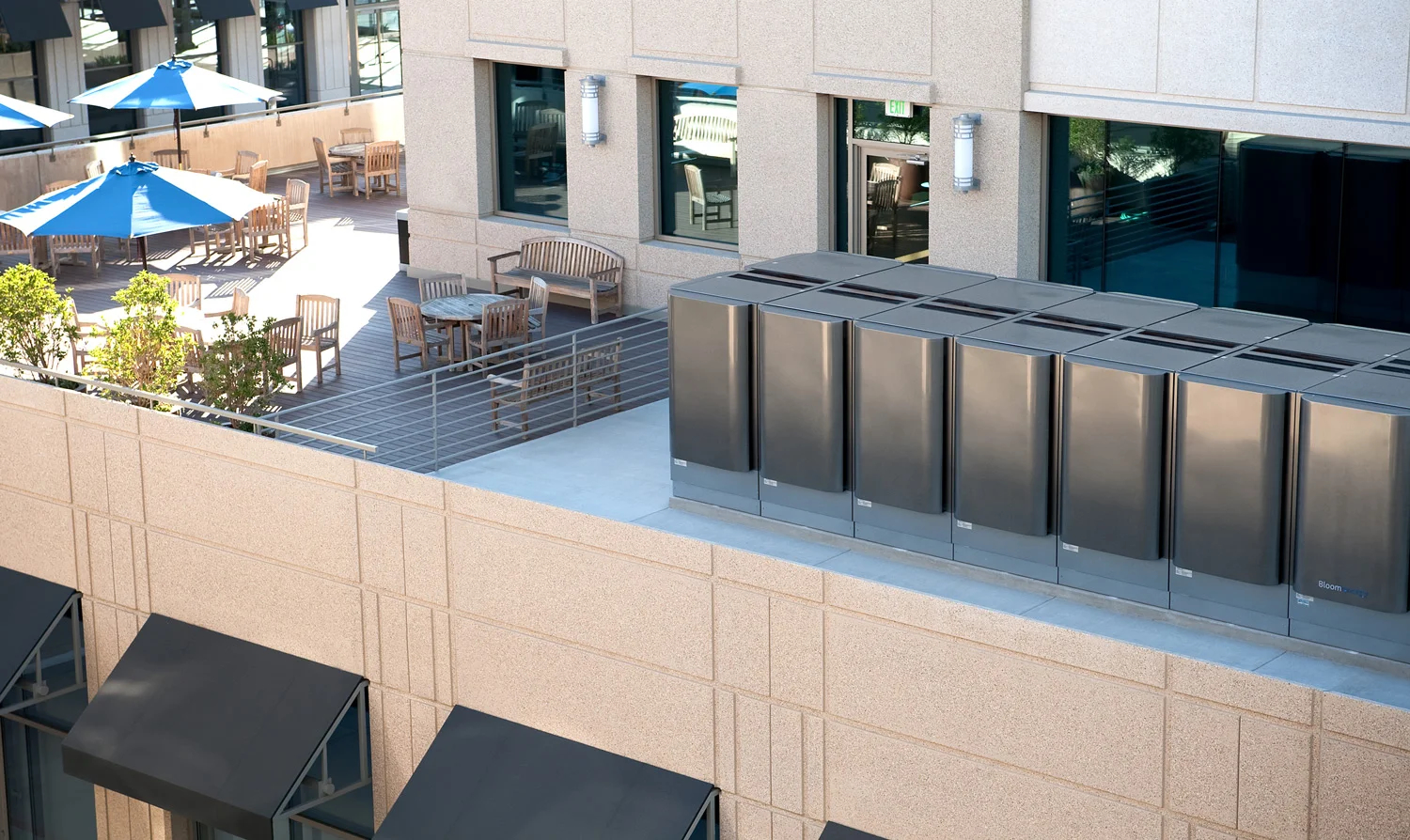
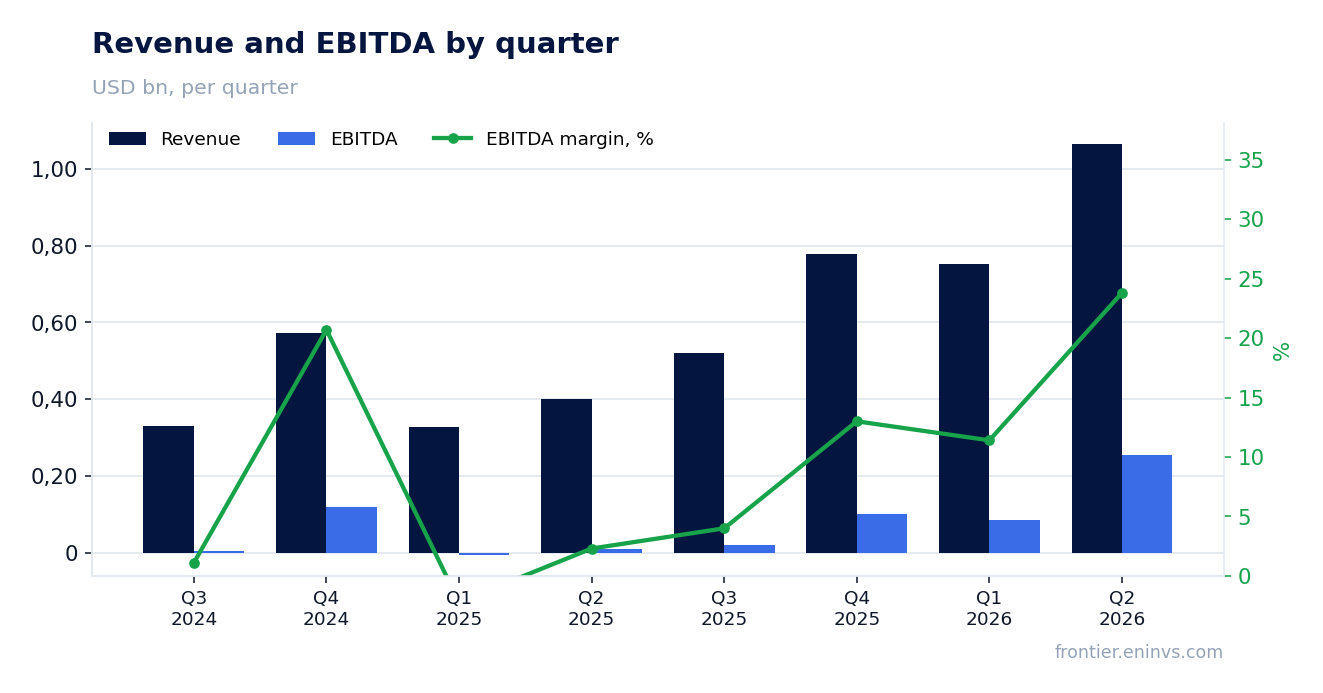
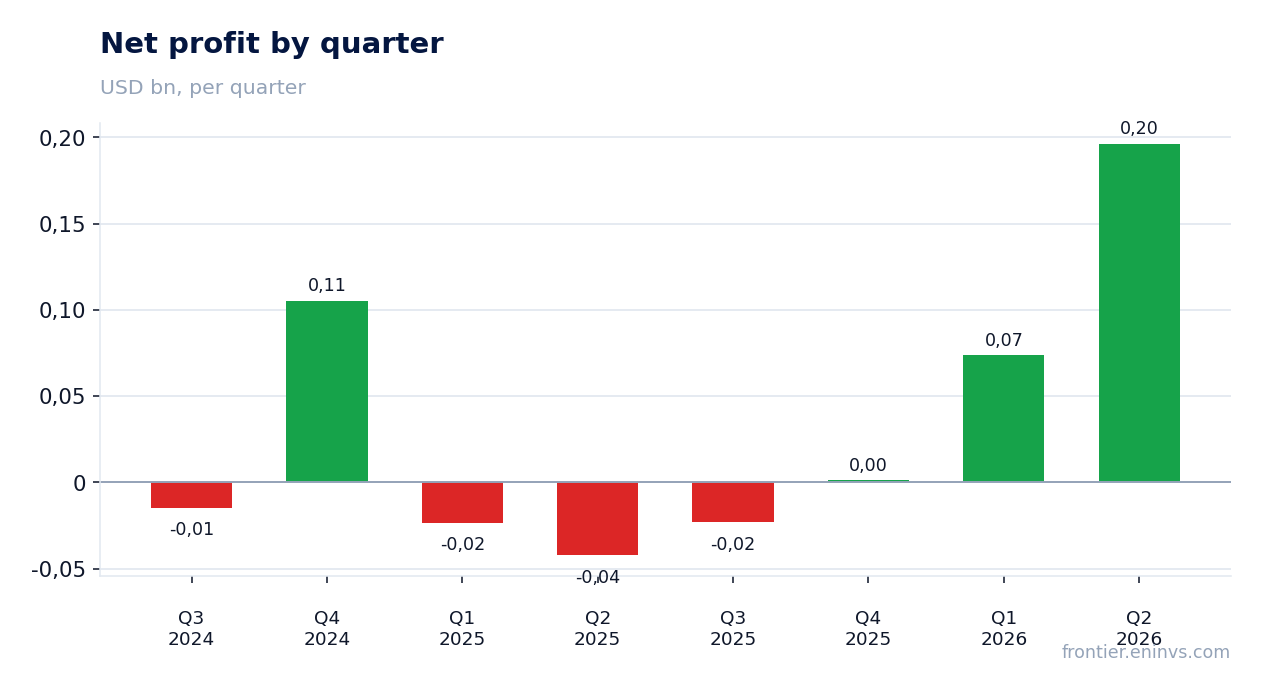
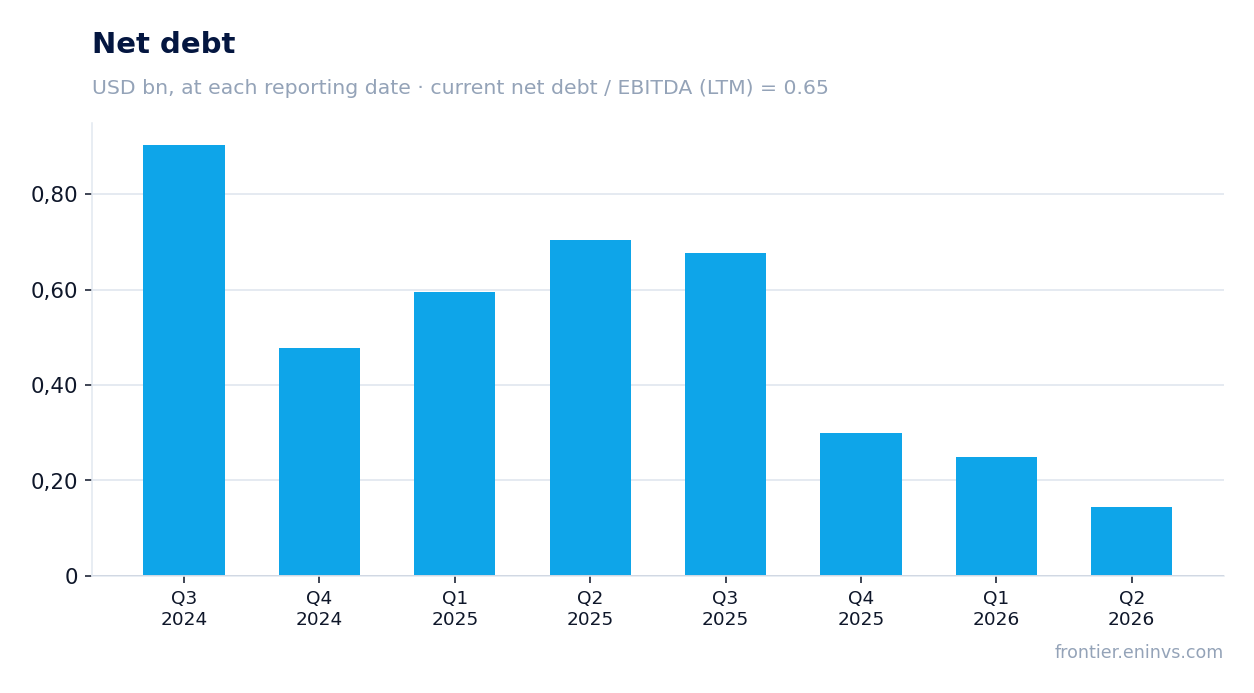
The valuation landscape is equally polarized. NVIDIA, growing revenue at +85.2%, trades at a seemingly reasonable P/E of 29.9x and EV/EBITDA of 28.9x—cheap for its growth rate. Conversely, Marvell Technology, with revenue growth of +27.6%, commands a P/E of 64.5x and EV/EBITDA of 64.8x, pricing in perfection. At the other end, Apple trades at 40.6x P/E despite just +16.6% revenue growth and a modest 3-year CAGR of +1.8%, while Alphabet offers a more balanced profile: +21.8% revenue growth with a P/E of 24.7x. The most extreme value play is Bloom Energy, with a P/E of just 4.5x despite +130.4% revenue growth, though its EBITDA turned positive from a loss.

Income investors find few havens as yields remain compressed

Dividend yields are thin across the board. Among the few standouts, AT&T offers a yield implied by its P/E of 8.1x (roughly 12.3% earnings yield), though its revenue growth is a tepid +2.3%. Verizon trades at a P/E of 12.4x (about 8.1% earnings yield) but with revenue declining -0.7%. For those seeking growth and yield, Coca-Cola provides a modest P/E of 26.4x with consistent +12.1% revenue growth, while PepsiCo trades at 18.4x P/E with +6.4% revenue growth and a strong EBITDA jump of +96.6%.

The long view: 3-year CAGRs reveal sustainable winners and cyclical traps

Looking beyond the quarter, NVIDIA’s 3-year revenue CAGR of +100.0% is in a league of its own, followed by Super Micro Computer at +61.7% and Robinhood Markets at +48.8%. These are companies that have compounded growth at extraordinary rates. At the other extreme, Kulicke & Soffa Industries saw a 3-year CAGR of -24.2%, and CCI’s revenue shrank at -15.2% annually. The takeaway: AI infrastructure and digital asset platforms are the secular winners, while legacy telecom and cyclical semiconductor equipment face headwinds. As we move into the next quarter, watch for whether Micron’s memory boom can sustain and if energy’s laggards can stage a recovery amid volatile commodity prices.

Players: growth & yield (no absolute levels)

CompanyIndustryRevenue YoYEBITDA YoYNet profit YoYP/E
AMAZON COM INC (Q1)Consumer discretionary+16.6%+31.0%+76.7%27.3x
Walmart Inc. (Q1)Consumer staples+7.3%+11.1%+18.8%39.2x
UNITEDHEALTH GROUP INC (Q2)Health care+0.4%+61.0%26.8x
Apple Inc. (Q2)Technology+16.6%+21.9%+19.4%40.6x
Alphabet Inc. (Q1)Communication services+21.8%+31.6%+81.2%24.7x
MICROSOFT CORP (Q3)Technology+18.3%+23.4%+23.1%23.1x
NVIDIA CORP (Q1)Technology+85.2%+145.1%+210.6%29.9x
COSTCO WHOLESALE CORP /NEW (Q3)Consumer staples+11.6%+15.7%+15.2%51.1x
JPM (Q2)+27.7%+41.2%n/m
Meta Platforms, Inc. (Q1)Communication services+33.1%+34.6%+60.9%21.3x
Dell Technologies Inc. (Q1)United States — large cap (SEC filings)+87.5%+131.9%+256.3%34.3x
HOME DEPOT, INC. (Q1)Consumer discretionary+4.8%+1.4%-4.2%23.8x
MICRON TECHNOLOGY INC (Q3)Technology+345.7%n/mn/m20.1x
VERIZON COMMUNICATIONS INC (Q2)Communication services-0.7%+7.0%-23.3%12.4x

PepsiCo at six-year lows: a Dividend King de-rated from 31x to 18x earnings, with Elliott inside

PEP →

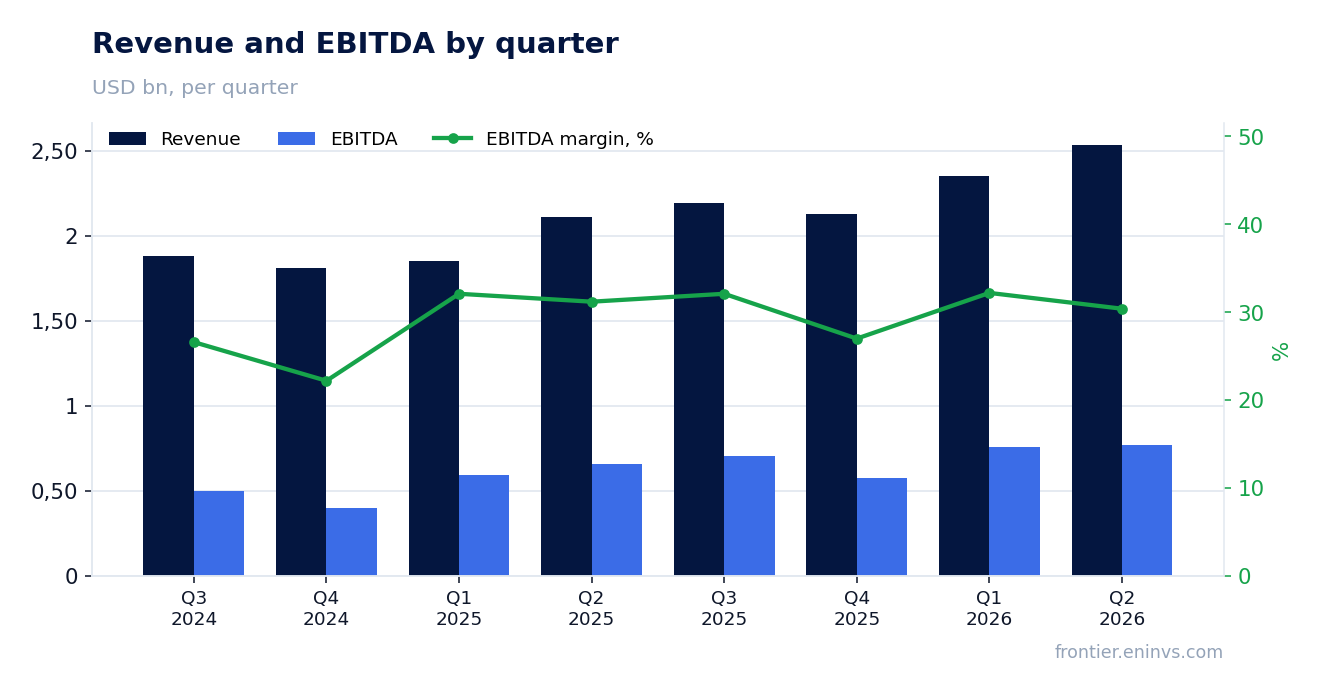
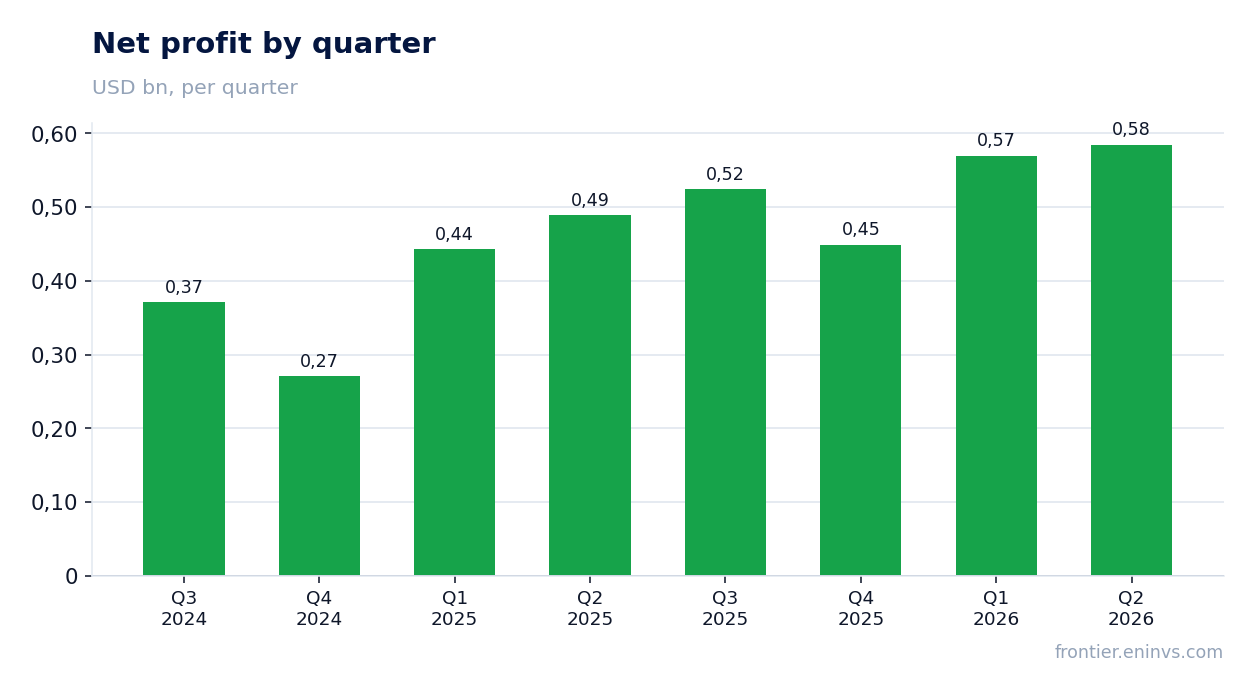
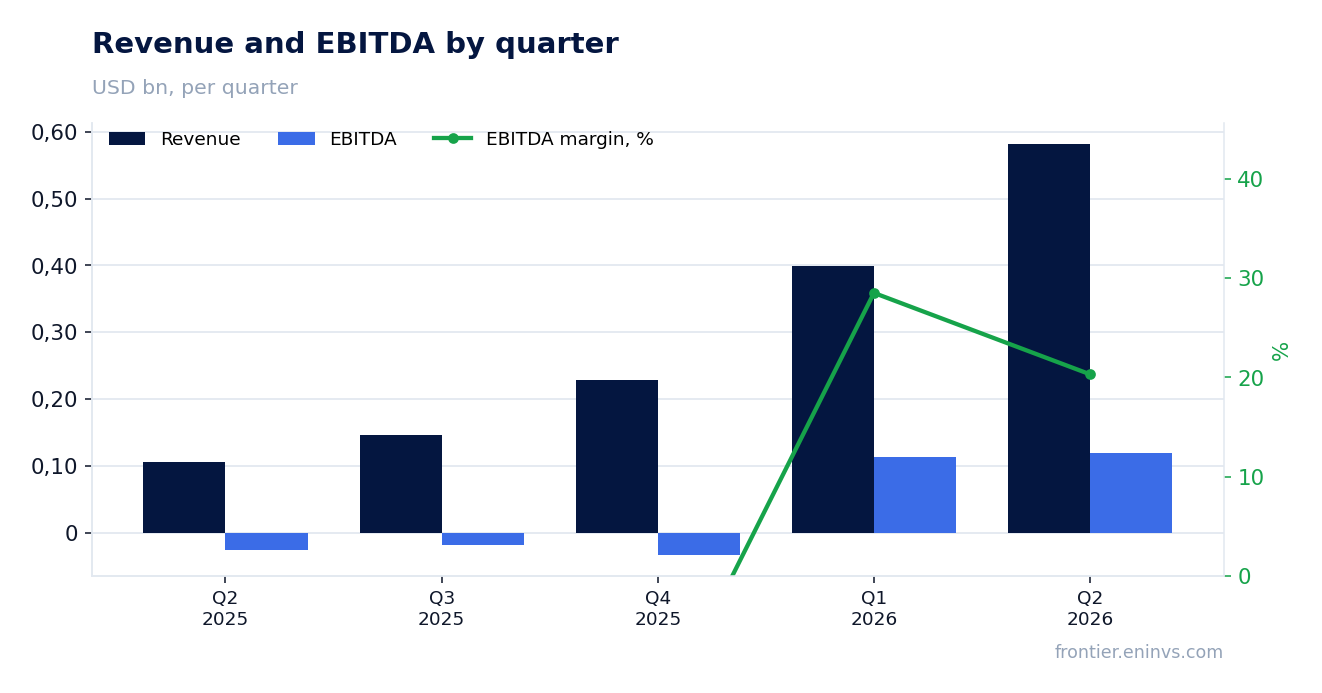
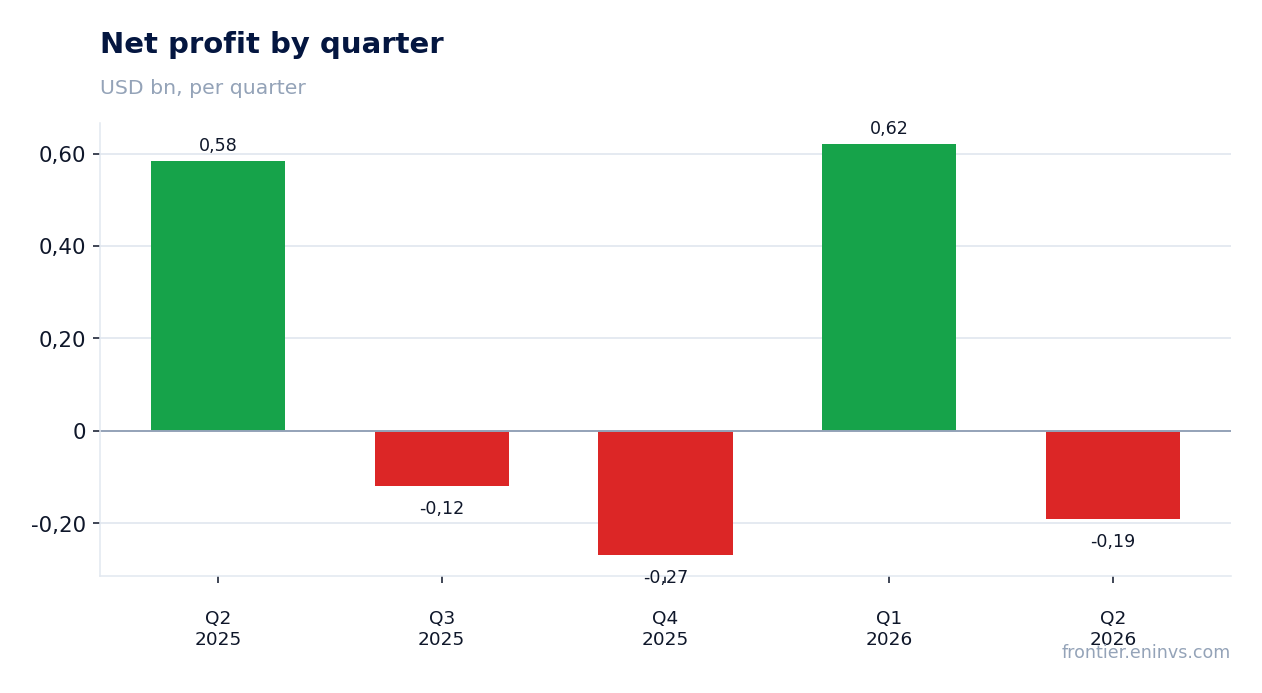
A look at PepsiCo (Nasdaq: PEP) on the fresh Q2 2026 report. The prompt was 'a good report, but the stock is at six-year lows' - we checked both halves against primary data. Short version: the report is normal rather than good, the lows are real, and the heart of the case is that the market now pays almost half as much for the same earnings (multiple compression from 31x to 18x) while the business kept growing all along - and a large activist shareholder with a change agenda is already inside.

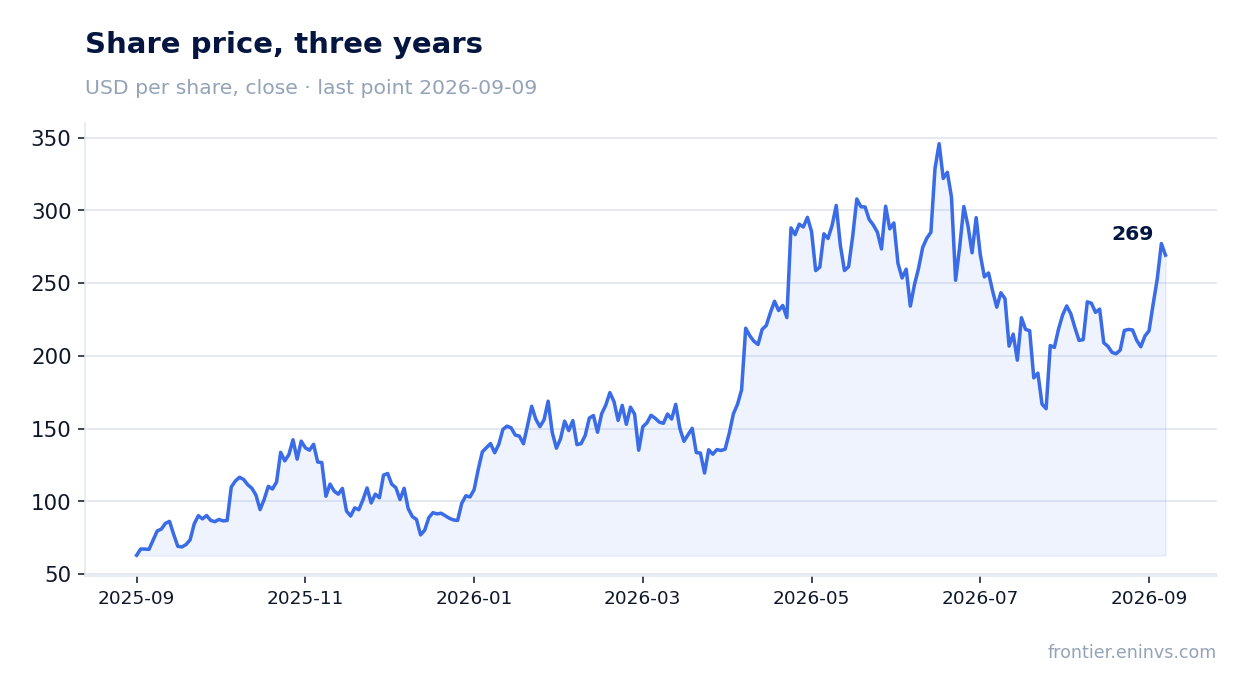
The price is back to 2019: seven years of business growth, none for the stock

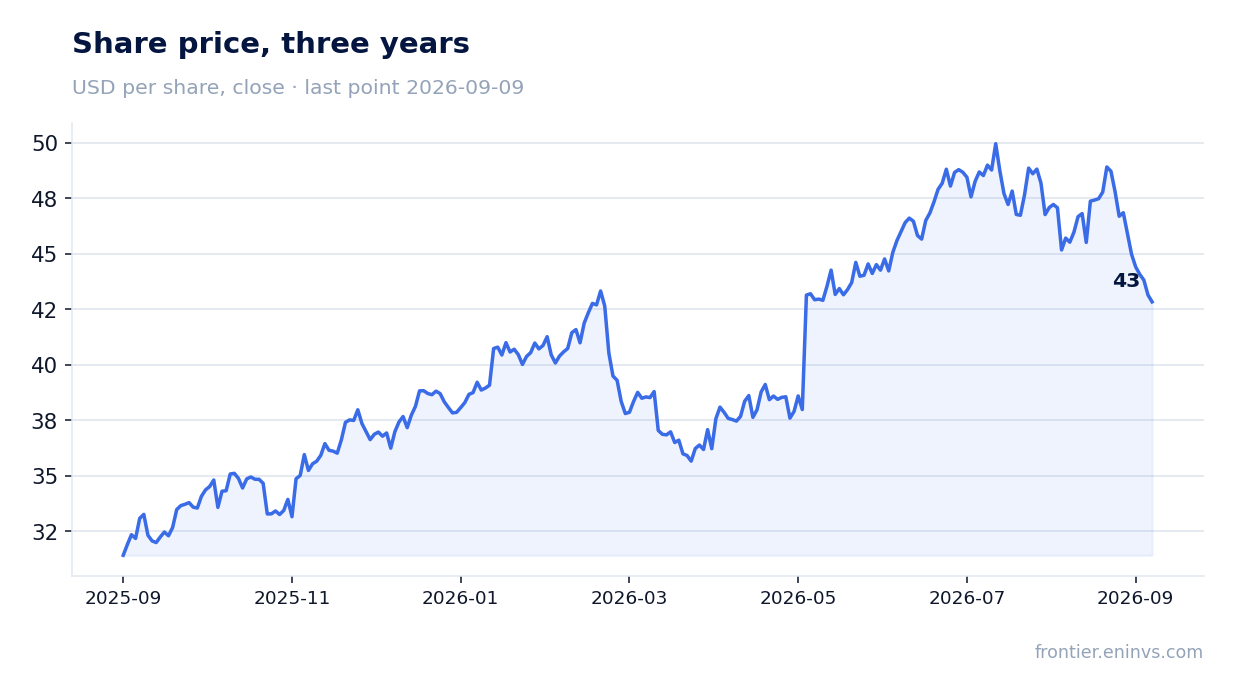
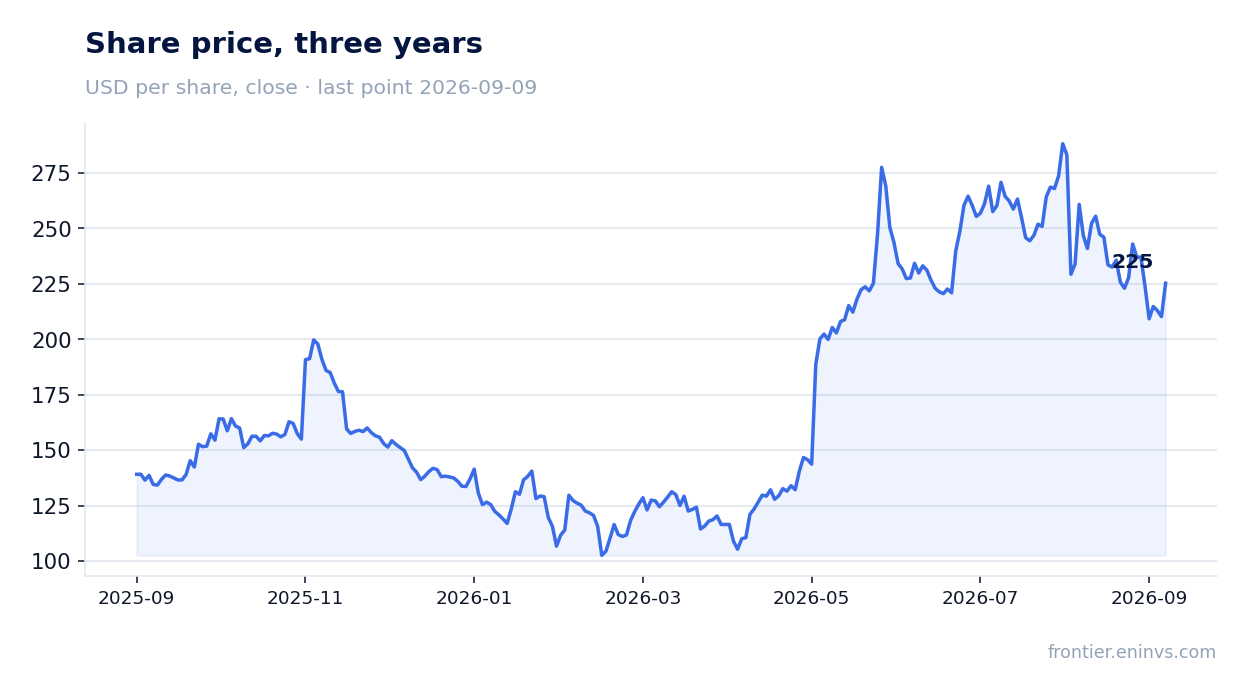
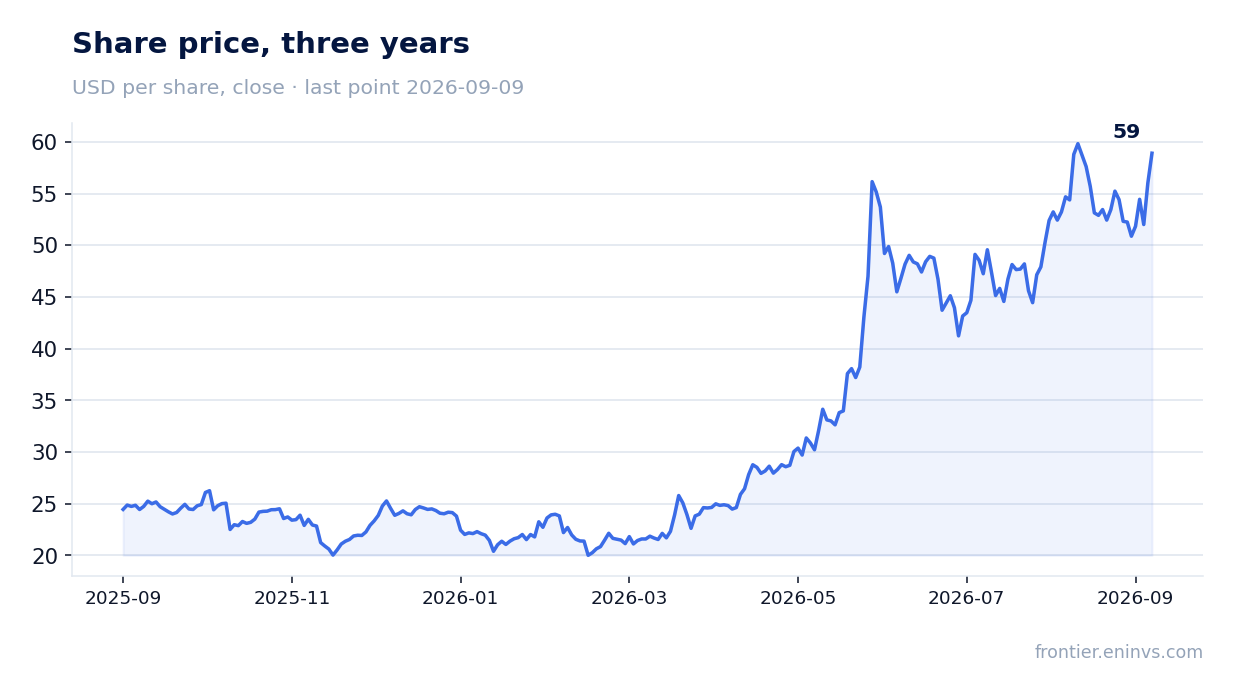
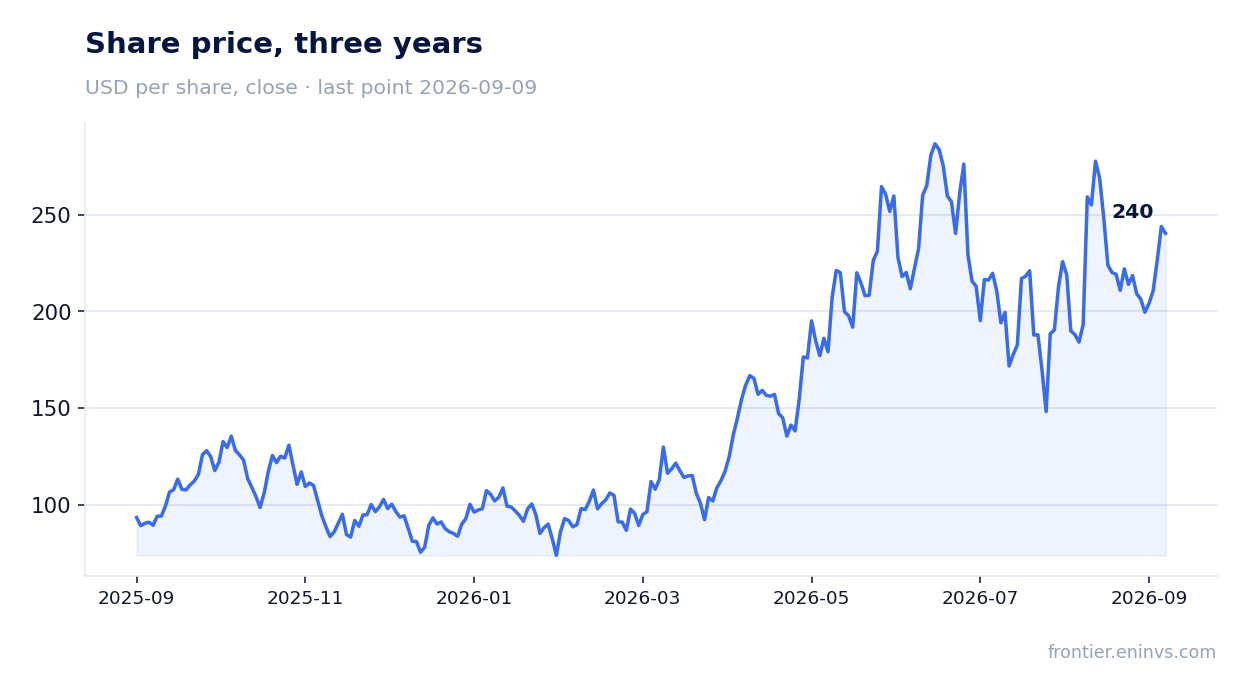
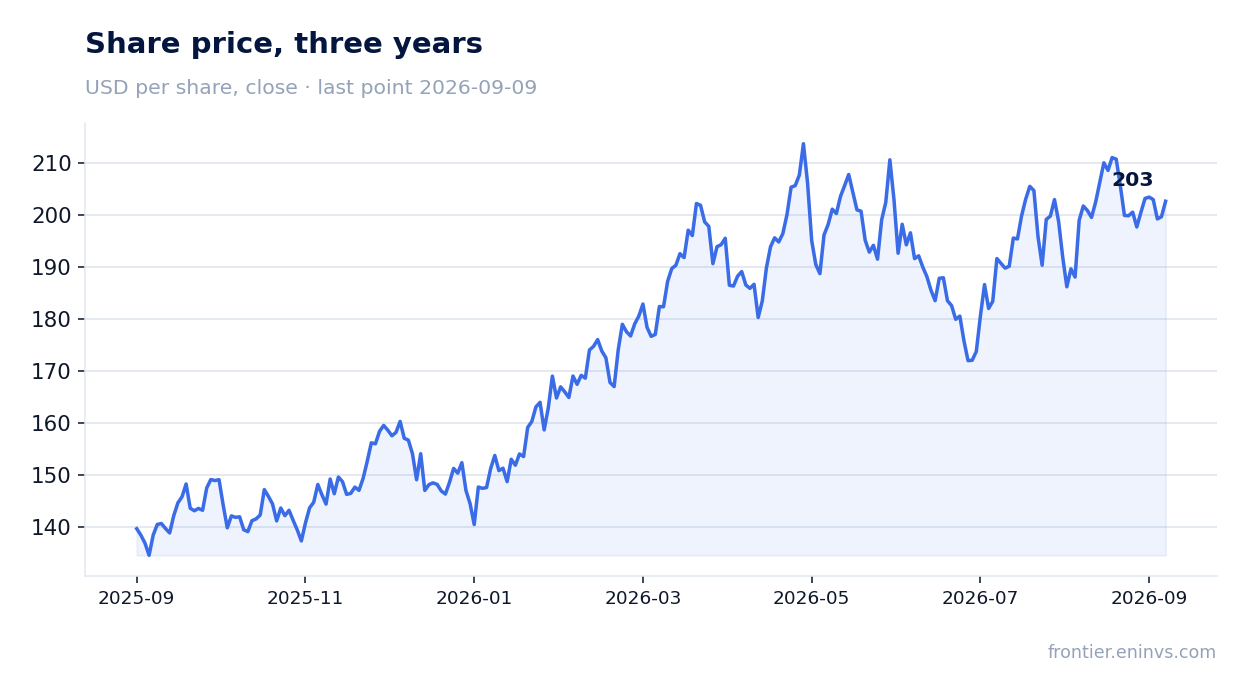
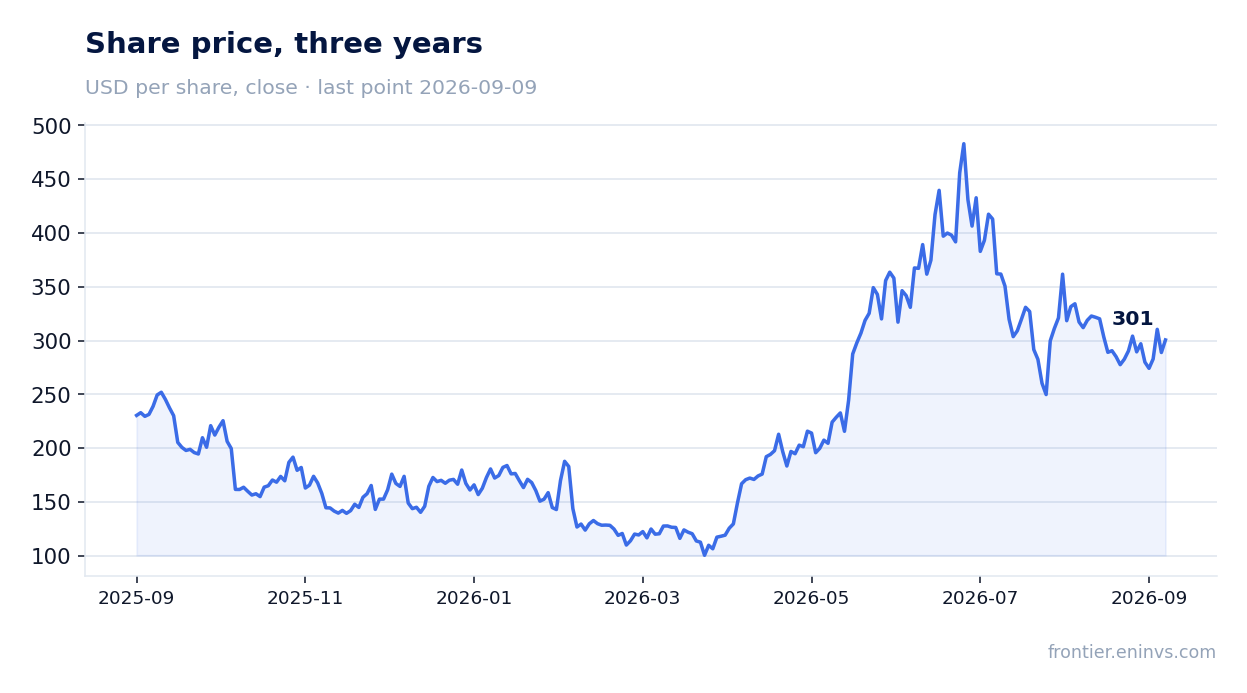
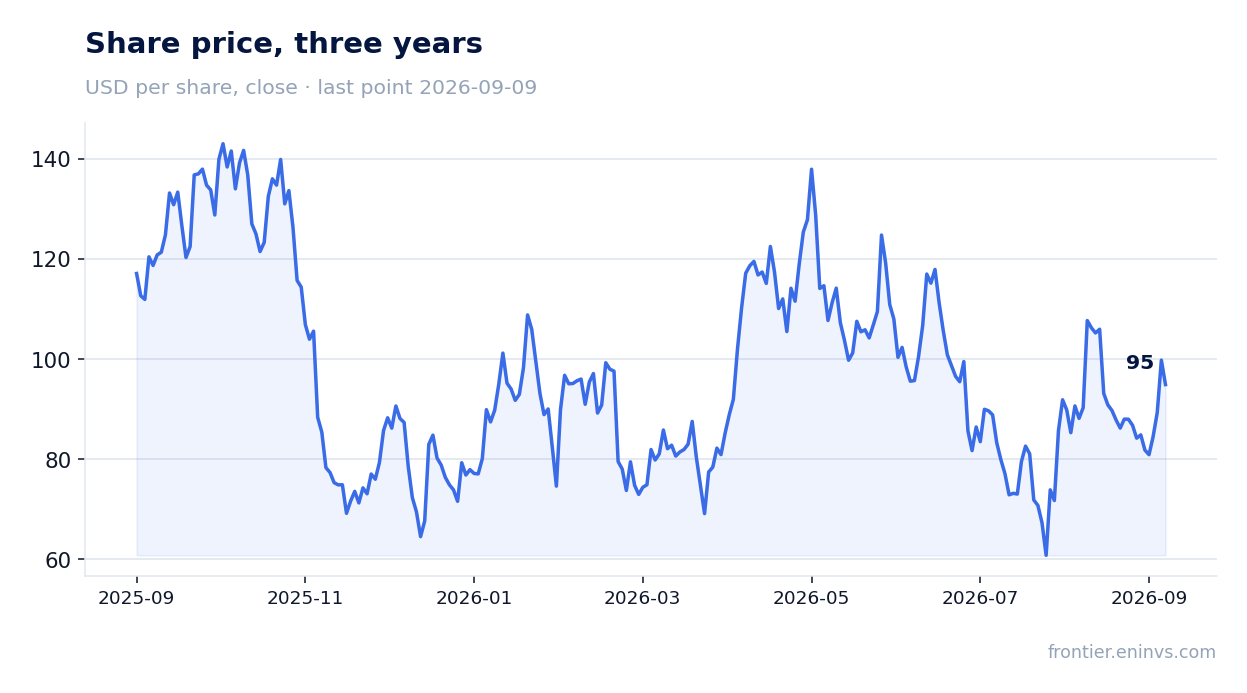
$135 per share is summer-2019 territory; in seven years the price was lower only in the covid crash of March 2020 ($104). Formally 'six-year lows' is almost exact: excluding three weeks of 2020 panic, the current price is the bottom of the entire seven-year range. Over those same seven years revenue grew from ~$67bn to $94bn and the dividend was raised every single year.

Seven years of PepsiCo's price: back to 2019

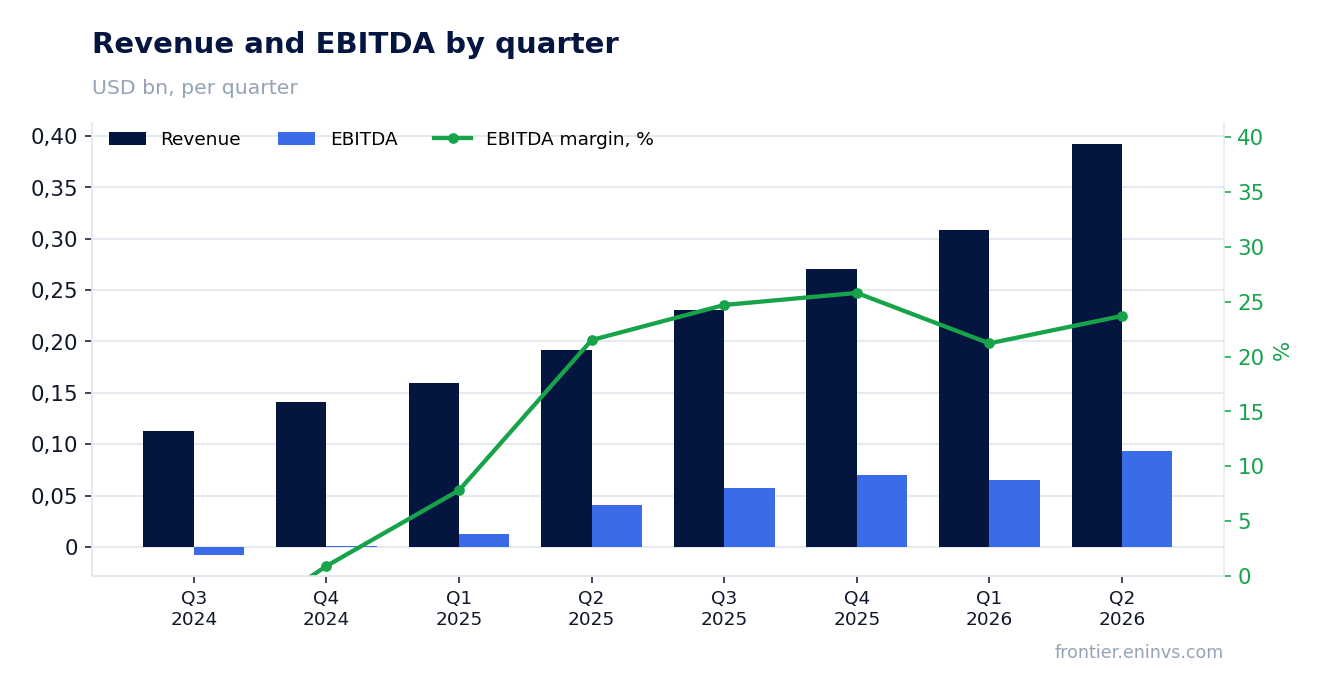
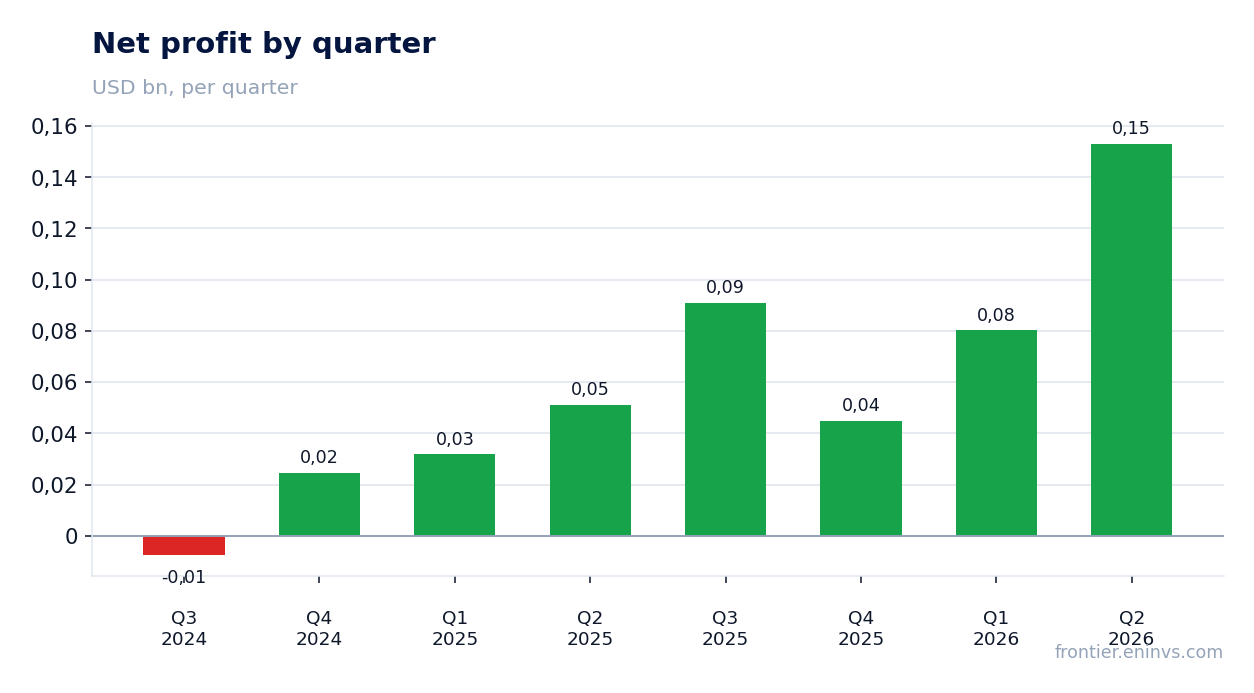
The Q2 2026 report: 'it did not get worse' is what the market called good

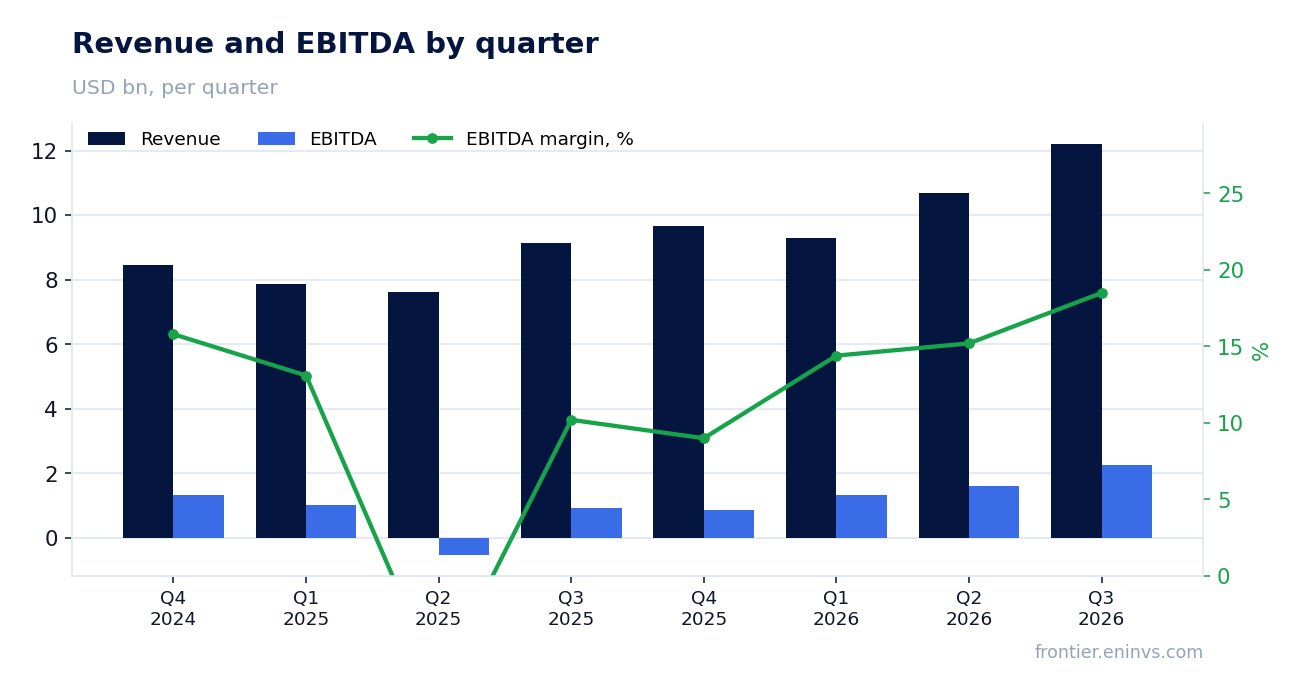
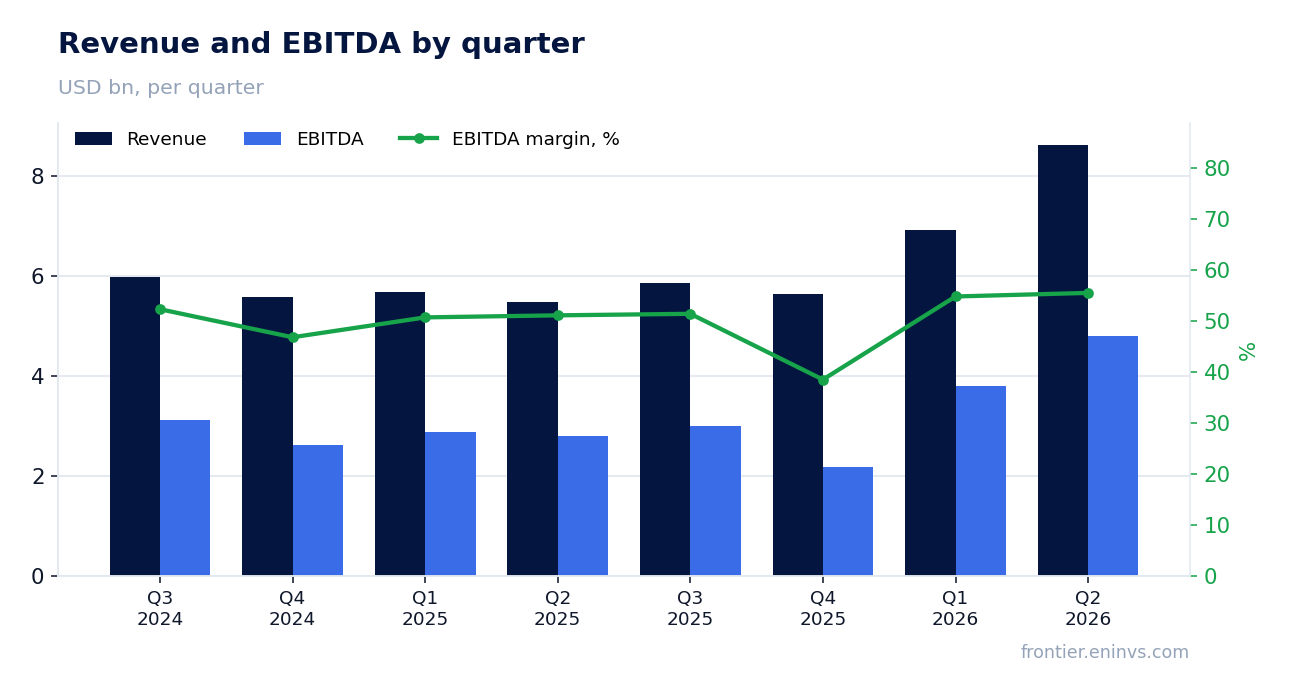
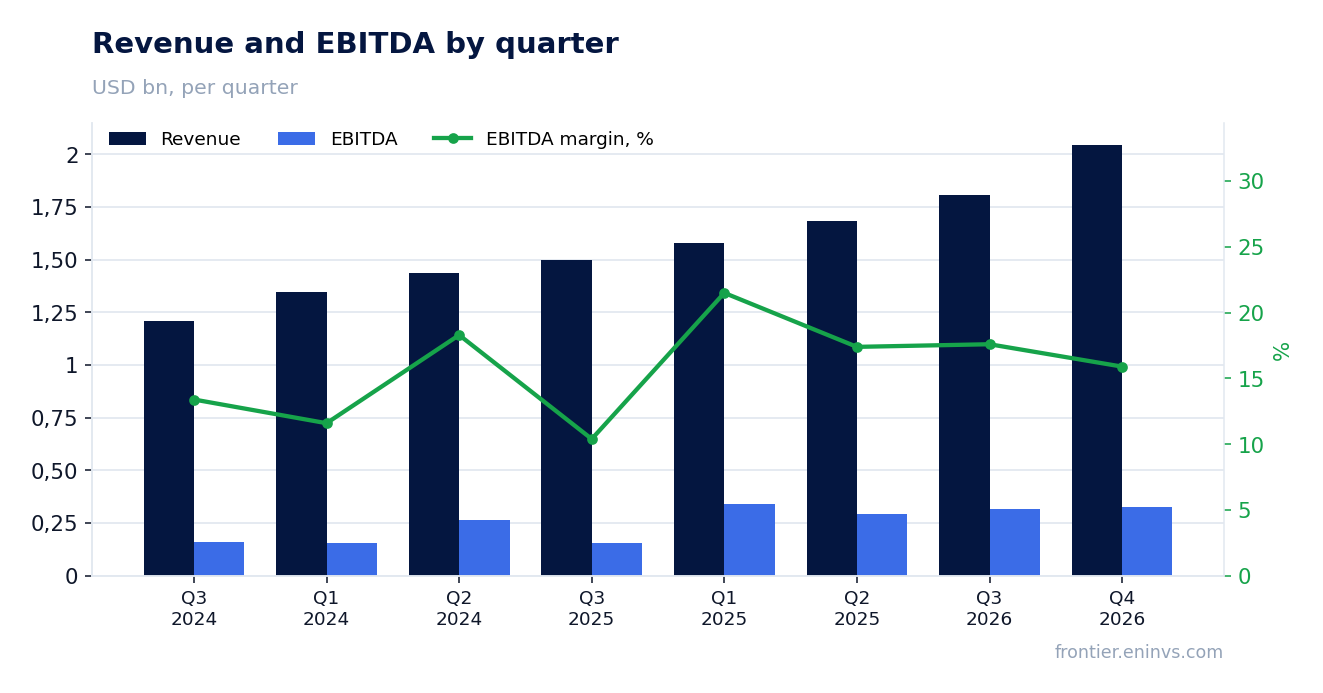
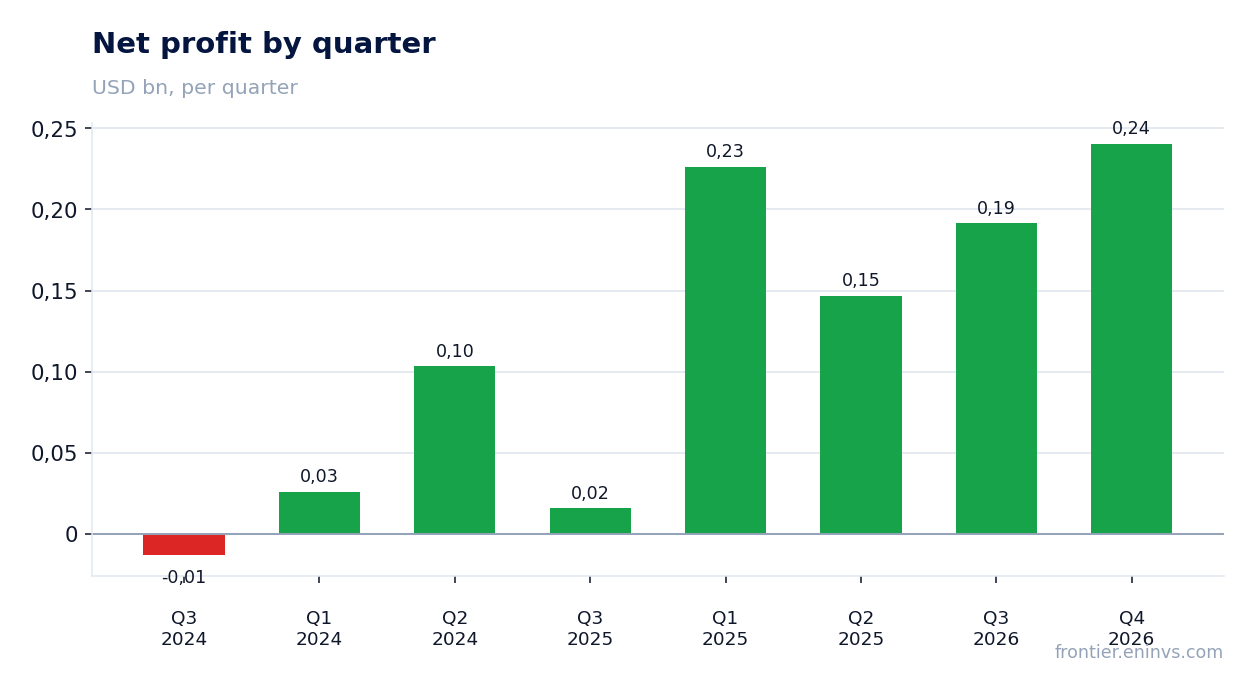
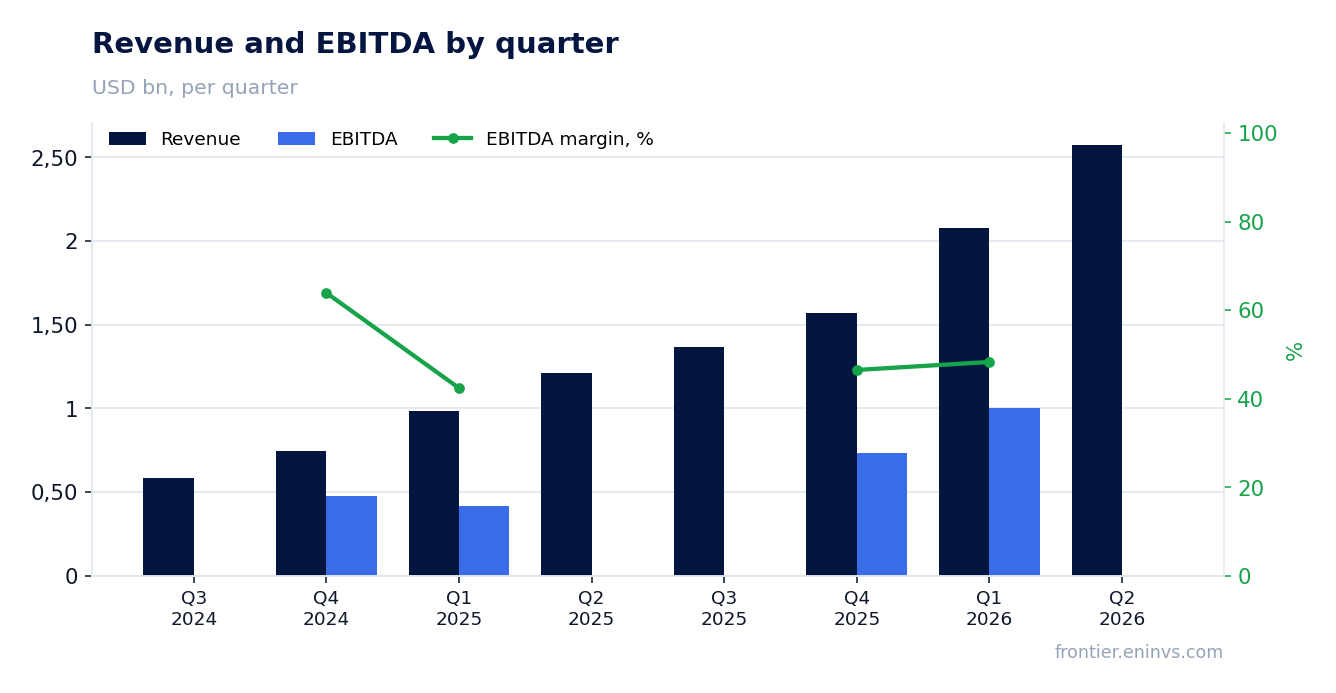
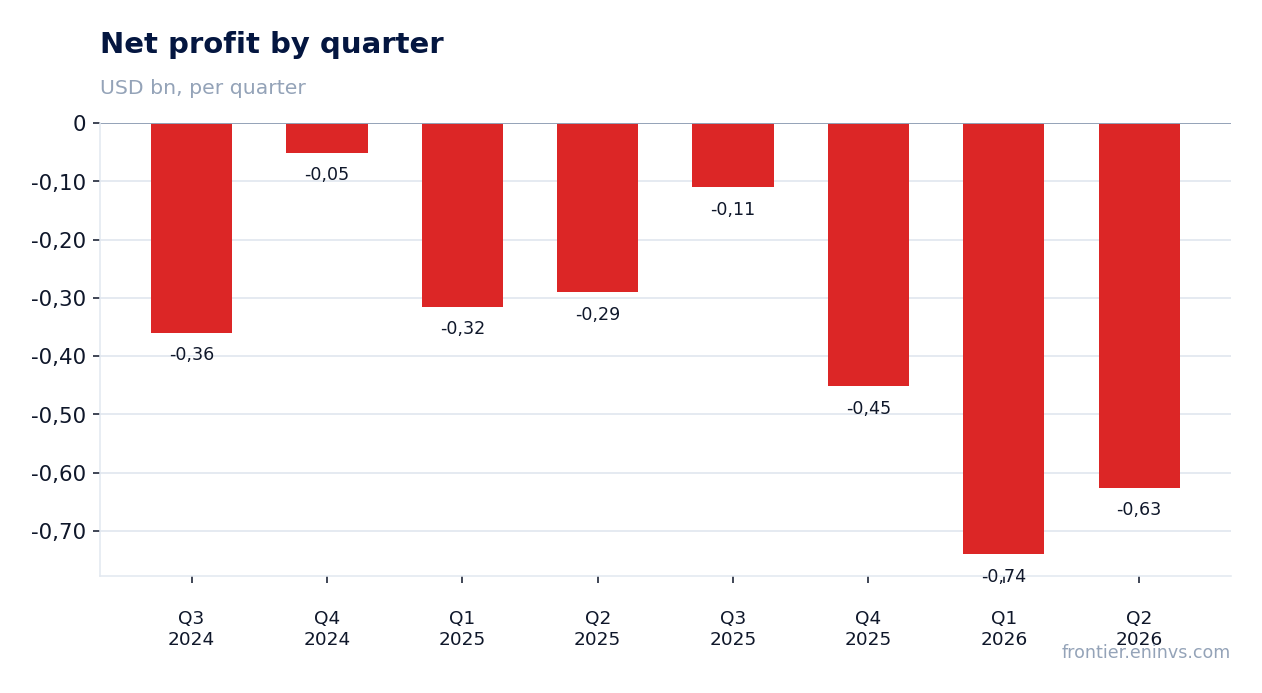
The quarter's facts: revenue $24.18bn (+6.4%) - above expectations; organic growth +2.4%; adjusted EPS $2.20 - 1-3 cents below consensus; full-year guidance confirmed (organic +2-4%, core constant-currency EPS +4-6%). Geography is two-speed: North America is weak (snacks losing pricing power, sluggish volumes) while international - Asia, EMEA, the beverage franchise - grows volumes and pulls the group. In other words, after two years of downgrades a 'good report' literally means 'guidance confirmed, nothing broke' - the expectations bar is on the floor, which is information in itself.

Business vs stock: the entire decline is multiple compression

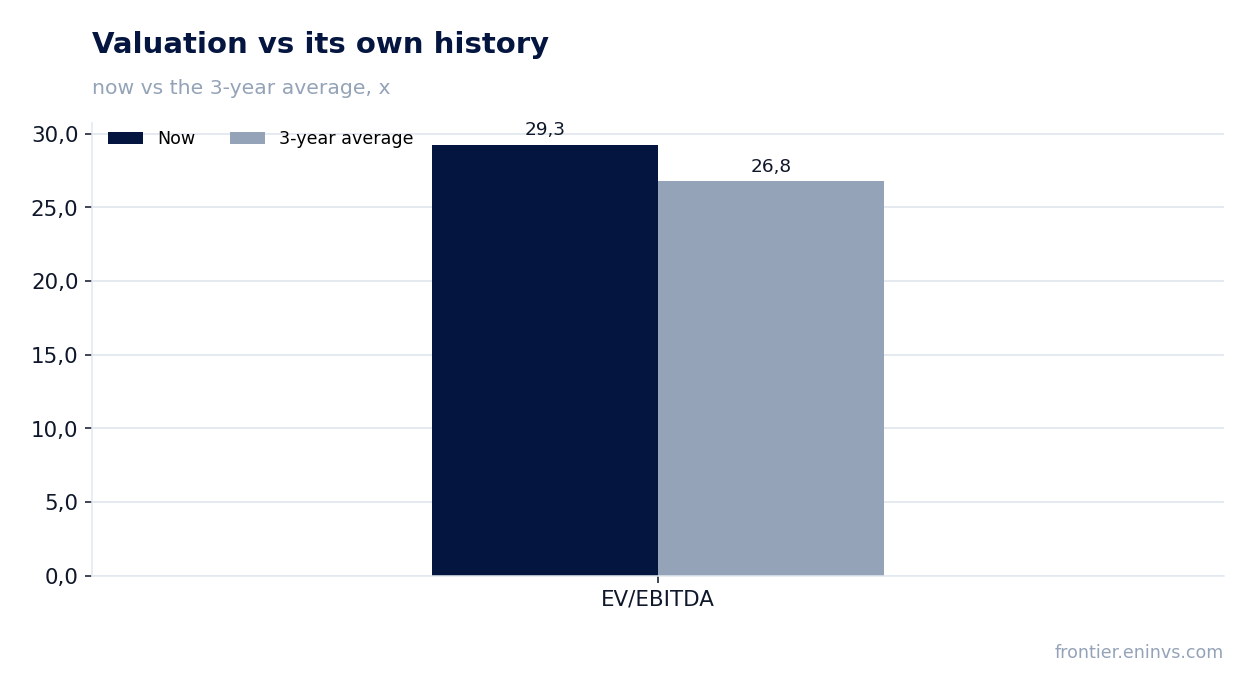
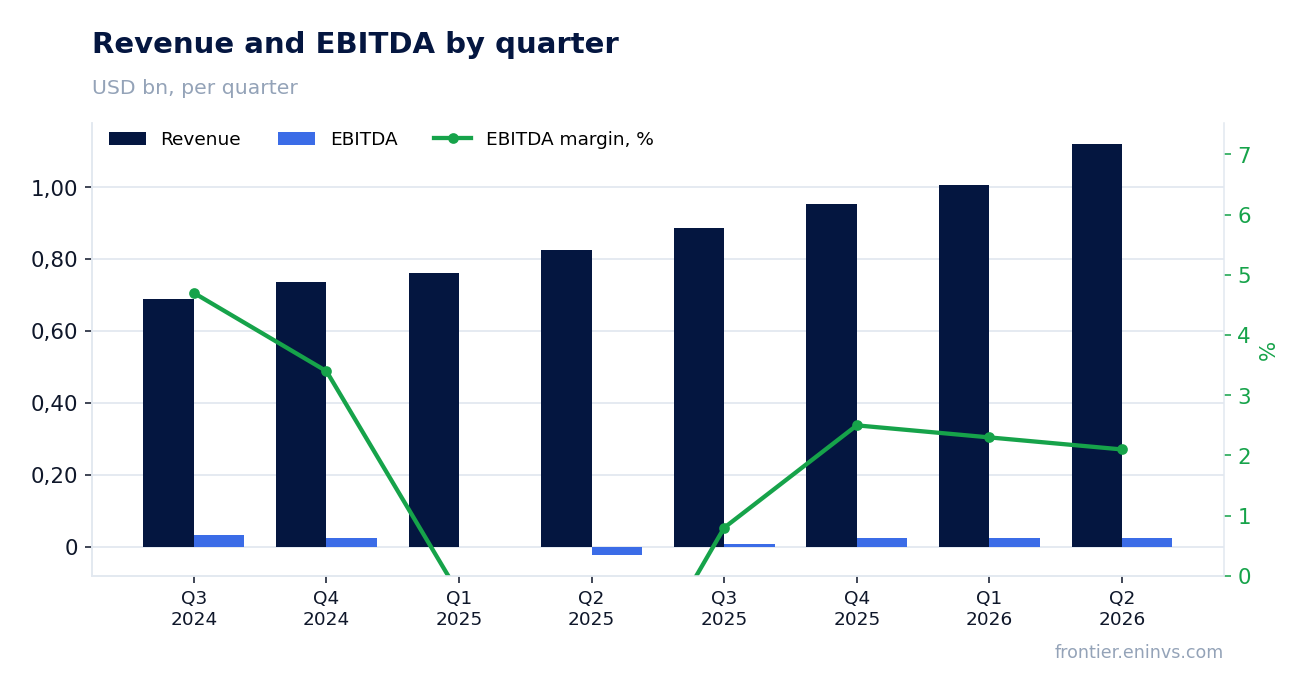
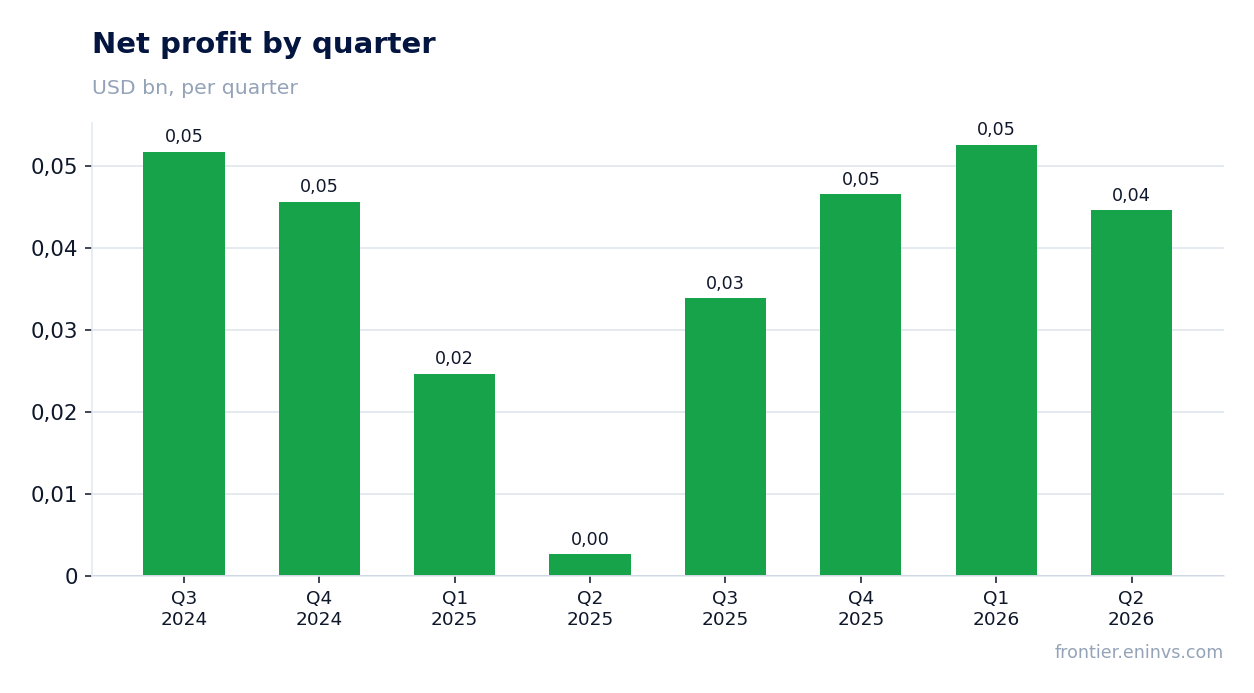
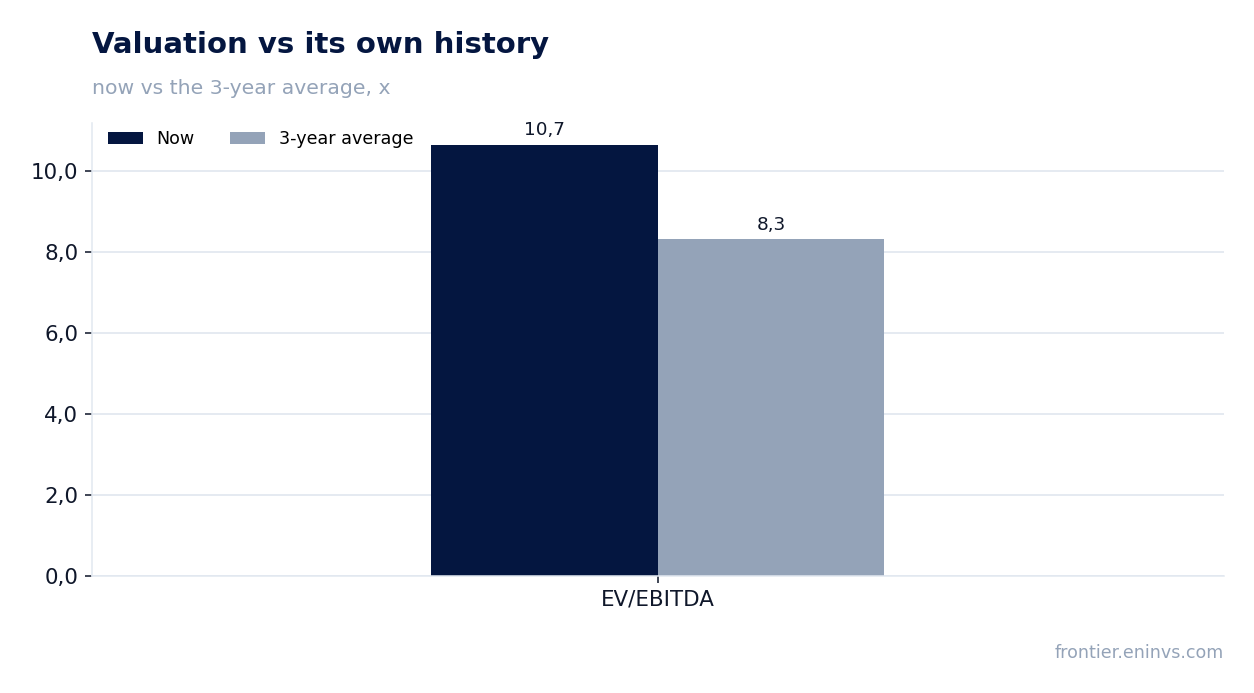
The decomposition is simple. Five-year revenue: $79.5bn to $94bn (+18%). Dividend per share: $4.25 to $5.75 (+35%), the 54th consecutive annual increase - Dividend King status. Meanwhile the multiple compressed from 31x earnings to 17.7x - against its own five-year norm of 24-28x. All of the stock's negative return is de-rating, not business degradation. The 4.3% dividend yield is the highest in the company's modern history.

Revenue and dividend: growth without pauses
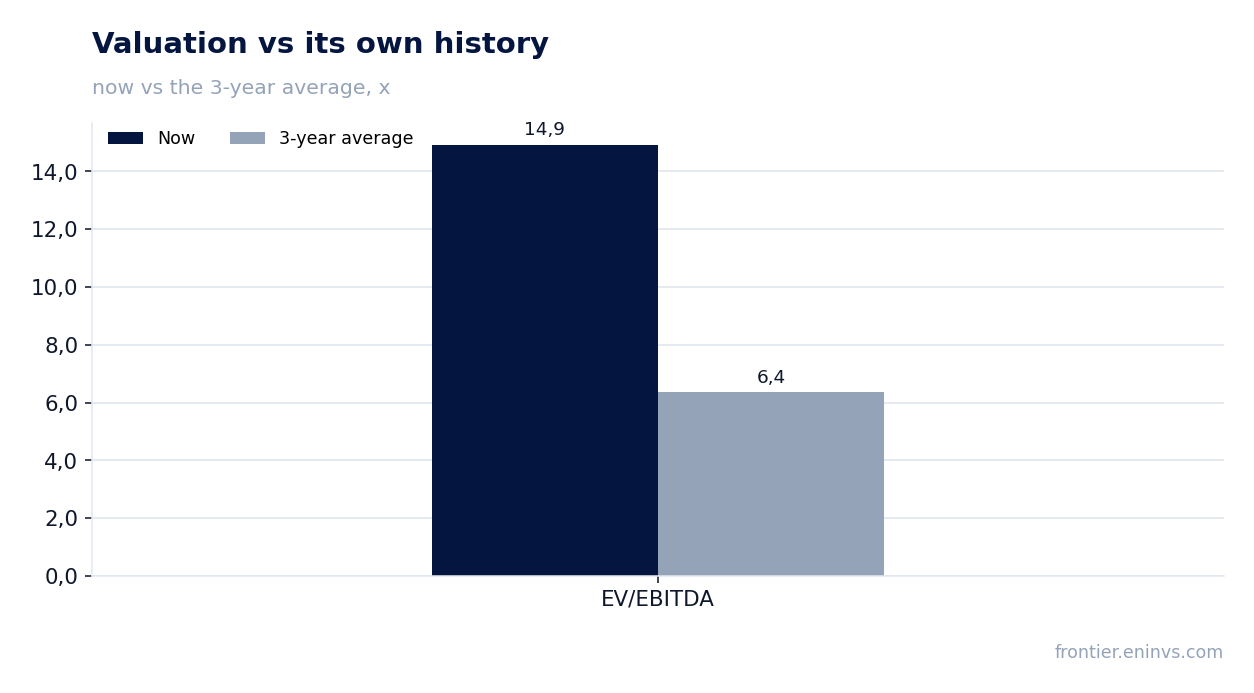
De-rating from 31x to 18x and a record dividend yield

What GLP-1 is and why it made the stock cheaper

GLP-1 is a class of weight-loss and diabetes drugs (best known: Ozempic, Wegovy, Mounjaro - the 'weight-loss injections'). They suppress appetite, and people taking them snack noticeably less - and snacking, Frito-Lay, is the most profitable part of PepsiCo's business. Hence the market's main fear: that falling US snack volumes are not the temporary belt-tightening of an inflation-weary consumer but an irreversible change of habits.

What independent data say. Consumer-purchase researcher Circana (checkout scanner data - actual sales, not surveys): someone in 23% of US households already takes a GLP-1 drug, and such households buy 10.1% less salty snacks and 8% less sweets; by 2030 households with a GLP-1 user may account for up to 35% of US food and beverage sales. Simple arithmetic: 23% of households x minus 10% on snacks is roughly minus 2-2.5% for total market volumes - noticeable, but not 'the end of snacks'. Meanwhile forecasts for the global salty-snacks market remain positive: +5.4% a year to 2030 (Wissen Research; other agencies put it at 4.7-6%) - driven by international markets, where PepsiCo is doing well. So the pessimists have two arguments - cyclical (the US consumer economising after inflation) and structural (GLP-1) - and so far the facts point more to a cyclical character of the decline: volumes are falling precisely in expensive US snacks while international markets and beverages grow. But only a turn in US volumes can prove that to the market conclusively - and that is what everyone is waiting for.

Elliott with $4bn inside: the catalyst is already working

Since late 2025 Elliott Management holds a ~$4bn position with a public plan: focus the beverage portfolio, optimise bottlers, review the North America supply chain, cut costs aggressively. Management has already announced an NA logistics review and a cost programme. Seven months in, the market wants proof - every next quarter becomes a turnaround checkpoint. An activist of this scale inside a Dividend King is a rare configuration: downside protected by the dividend, upside driven by the activist's plan.

Forecasts: consensus target $169 vs a $135 price

The median target of twelve analysts is $169 (+25%), but the spread is honestly wide: Citi cut to $145 after the report (and the rating to Neutral), Barclays raised to $144; the average rating is Hold. Translated from analyst-speak: 'the business is worth more, but buying before the volume turn is scary'. The company's own 2026 guidance is confirmed: organic +2-4%, core EPS +4-6% in constant currency.

Estimated upside: three scenarios over three years

From $135 with forward earnings of ~$8.3 per share (fwd P/E ~16.3). Base: EPS +5%/yr, exit P/E 19 - +48% total return, IRR ~14%/yr (of which ~13pp from dividends). Bull: a volume turn plus the Elliott programme, EPS +8%/yr, return to P/E 22 - +83%, IRR ~22%. Bear: GLP-1 proves structural, EPS flat, de-rating to 14x - roughly zero over three years: the dividend fully offsets the price decline. Probability-weighted (40/30/30) - roughly 12-14%/yr expected dollar return with rare asymmetry: the worst case is ~0, not a loss.

3-year total return scenarios from $135

Risks

— GLP-1 may prove structural. Then the bear case is not a tail but the base: US snack volumes never return and 14-16x becomes the new normal forever.

— A long stretch of US consumer weakness. Even without GLP-1 the volume turn may take years; every quarter without it risks new downgrades.

— Rates. A 4.3% dividend against ~4%+ on Treasuries is a minimal premium; if the Fed goes higher, the dividend support for the price weakens.

— A 78% payout. Room to grow the dividend faster than earnings is nearly exhausted - payout growth will be slow until EPS turns.

— The activist may leave. If Elliott sees no progress and sells, part of the catalyst premium leaves with it.

Prepared by Enhanced Investments from PepsiCo filings (Q2 2026 press release, SEC 8-K), Nasdaq data and consensus forecasts; July 2026. Not individual investment advice.

13 investment ideas across frontier markets, commodities and US leaders - July 2026

IDEAS →

Thirteen ideas from our coverage across frontier markets, commodities and US large caps. Each was produced by one of five live engines (EM bank value with monthly regulatory data, EM compounders, dividend+catalyst, commodity spot mean-reversion, US Leaders GARP), screened across ~500 issuers and verified against primary filings. Currency math is a first-class criterion: a 12% dividend behind a 13%/yr hedge is worth less than 9% behind a 2.8% one.

The ideas: profitability vs price (bubble = dividend yield)
Hedging cost per currency

Live track records of the two systematic books contributing ideas: US Leaders +274% since Aug 2019 (CAGR 21%, Sharpe 1.0); Global Commodities +137% since May 2020 (CAGR 15%). The commodity engine's latest published call - PBF at $42 on June 25 - is +36%.

US Leaders, live equity curve
Global Commodities, live equity curve

The numbers layer: valuation vs history and an indicative IRR sketch

Is each name cheap against ITS OWN history, and what annual return does the position imply if the multiple drifts back to the 5-year median while the business grows and pays out? Charts below; per-name assumptions in the cards. Growth assumptions are deliberately conservative vs recent prints; CPIN capped at 15x; VLO on forward earnings; MBRF and KEGOC excluded as not meaningful.

Current P/E vs own 5-year median (label = premium/discount)
Indicative 3y IRR = dividend + growth + re-rating

Part I. EM bank value

1. Bank Mandiri (IDX: BMRI; ADR PPERY) - the flagship

Indonesia's #2 bank: wholesale-led franchise, 71.6% CASA funding, ROE 20.4% in Q1'26, monthly regulatory data showing acceleration. Expected hedged USD return ~15-16%/yr before re-rating. The Q1 consolidated 'asset shrinkage' is the BSI deconsolidation, not the business. Risks: Danantara governance, directed lending, NIM pressure.

2. Bank Rakyat (IDX: BBRI; ADR BKRKY) - the higher-yield pair

The world's largest microlender (65m borrowers). 2025 was the clean-up year; the cycle is turning. With Mandiri - a sector bet at ~5x earnings with double-digit dividends. Risk: BBRI carries most of the $12bn village-cooperative programme.

3. Banorte (BMV: GFNORTEO) - the dividend machine with direct access

Mexico's #2 financial group: a durable ~10% peso cash yield from a franchise that survived every Mexican cycle since 1899; nearshoring optionality is free. Risks: Banxico cuts, US-Mexico politics.

Part II. EM compounders

4. Kaspi.kz (Nasdaq: KSPI) - quality growth at a value price

Kazakhstan's payments+marketplace+fintech monopoly funding a second act in Turkey (Hepsiburada) from its own cash flow. If Turkey works - a second engine; if not, the core justifies the price. Risks: tenge, fee regulation, Turkish execution.

5. Charoen Pokphand Indonesia (IDX: CPIN) - protein for 280 million people

Indonesia's poultry leader. The free-school-meals programme that worries bank investors adds 5-7% to broiler demand - a natural internal hedge in an Indonesian basket. Margins will normalize; the per-capita protein story is early. Risks: feed costs, normalization.

6. Indofood (IDX: INDF) - the Indomie monopoly at half book

Indomie is close to a de-facto noodle monopoly and one of Asia's most recognizable brands. The discount is structural (holding, country), not operational. Risks: holding discount persistence; wheat/palm oil.

Part III. Dividend + catalyst

7. Telkom Indonesia (NYSE: TLK) - value with a spin-off attached

Indonesia's incumbent telecom after a governance reset. Tower/data-center carve-outs have historically unlocked value across Asian telecoms; here one comes with a 9% yield attached. Risks: price war, timelines.

8. PLDT (NYSE: PHI) - dividends plus a free fintech option

The Philippine telecom leader whose #2 digital bank the market values at zero. Capex peak passed, FCF positive, deleveraging to 2.0x. Risk: leverage 2.56x EBITDA - the highest here.

9. KEGOC (KASE: KEGC) - the grid monopoly after a tariff reset

Half of book value for the national grid with regulated returns flowing through. Last despite best momentum: currency and access fail the USD framework; strong local-book idea. Risk: tariff politics.

Part IV. Commodities - what the model actually likes

Refiners: EBITDA at today's crack spreads vs LTM (label = model upside)

10. Valero (NYSE: VLO) - the quality way to own the refining cycle

The same thesis that made PBF +36% in three weeks, in institutional form. PBF (+141% model upside) stays the aggressive pure-play; DK (+150%) and PARR (+132%) are the small-cap tail. Risks: crack normalization, product imports.

11. MBRF (B3: MBRF3, ex-BRF + Marfrig) - the new global protein giant

Cheap corn, a weak real and merger synergies compound Brazilian chicken's global cost advantage. Risks: US beef cattle cycle, controlling-shareholder governance, BRL.

12. EQT (NYSE: EQT) - the structural natural gas winner

Not mean-reversion but a multi-year demand story; the latest quarter already beat on volumes and prices. Risks: gas volatility, LNG contracting.

Part V. US Leaders

13. PepsiCo (Nasdaq: PEP) - a dividend king at a decade-high yield

GLP-1 fears pushed a pricing-power franchise to its highest yield in decades; the dividend streak is a hard floor, volume recovery is upside. Risks: structural GLP-1 drag, weak US consumer.

Summary

Three baskets. Buy-now via any US broker: BMRI (PPERY), BBRI (BKRKY), KSPI, TLK, PHI, GFNORTEO (IB direct Mexico), VLO, EQT, PEP. Local-access watchlist: CPIN, INDF (Jakarta), MBRF (B3), KEGOC (KASE). Published and running: PBF +36% since June 25.

Prepared by Enhanced Investments, July 2026, from primary filings, exchange and central-bank data. Live track records, not backtests. Not investment advice.